Travel Tips · 3 min read
Shoulder Season Is the Real Season
May, June, late September and October: warm sea, room to move, better prices. Why locals prefer these months.
Costa Del Sol Unlocked · November 2026
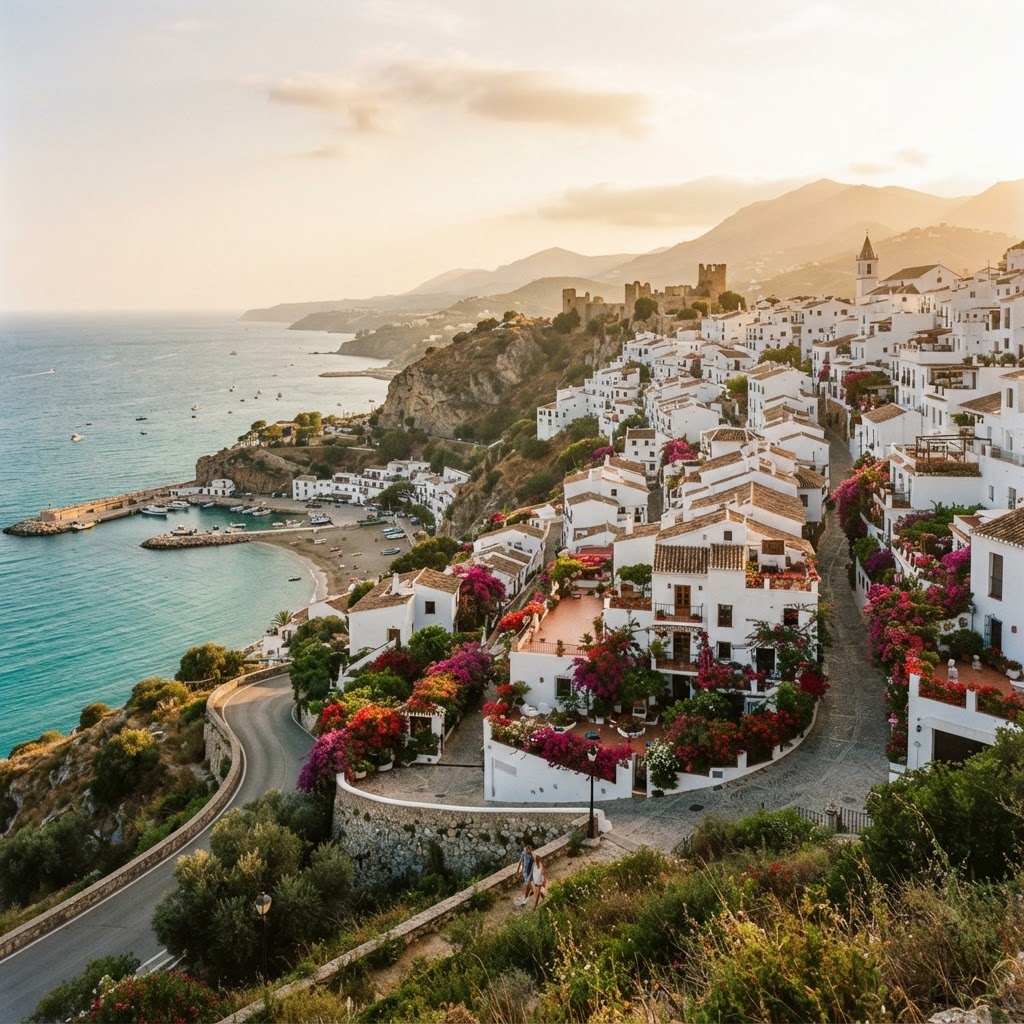
If you arrive in August, you are not seeing the Costa del Sol; you are seeing a pressure cooker. We spend the high summer months trying to stay cool and avoiding the inevitable bottlenecks at every popular beach bar and car park. The real rhythm of the coast begins when the holidaymakers pack up for the school term, or before they arrive in their droves.
The Promise of Early Summer
May and June are the reward for making it through a damp winter. The landscape is still green from the spring rains, the jasmine is beginning to bloom, and the sea temperature is finally climbing out of the brutal range. You can usually find a patch of sand to yourself, and the staff in local restaurants have the energy to talk to you rather than just rushing to turn your table.
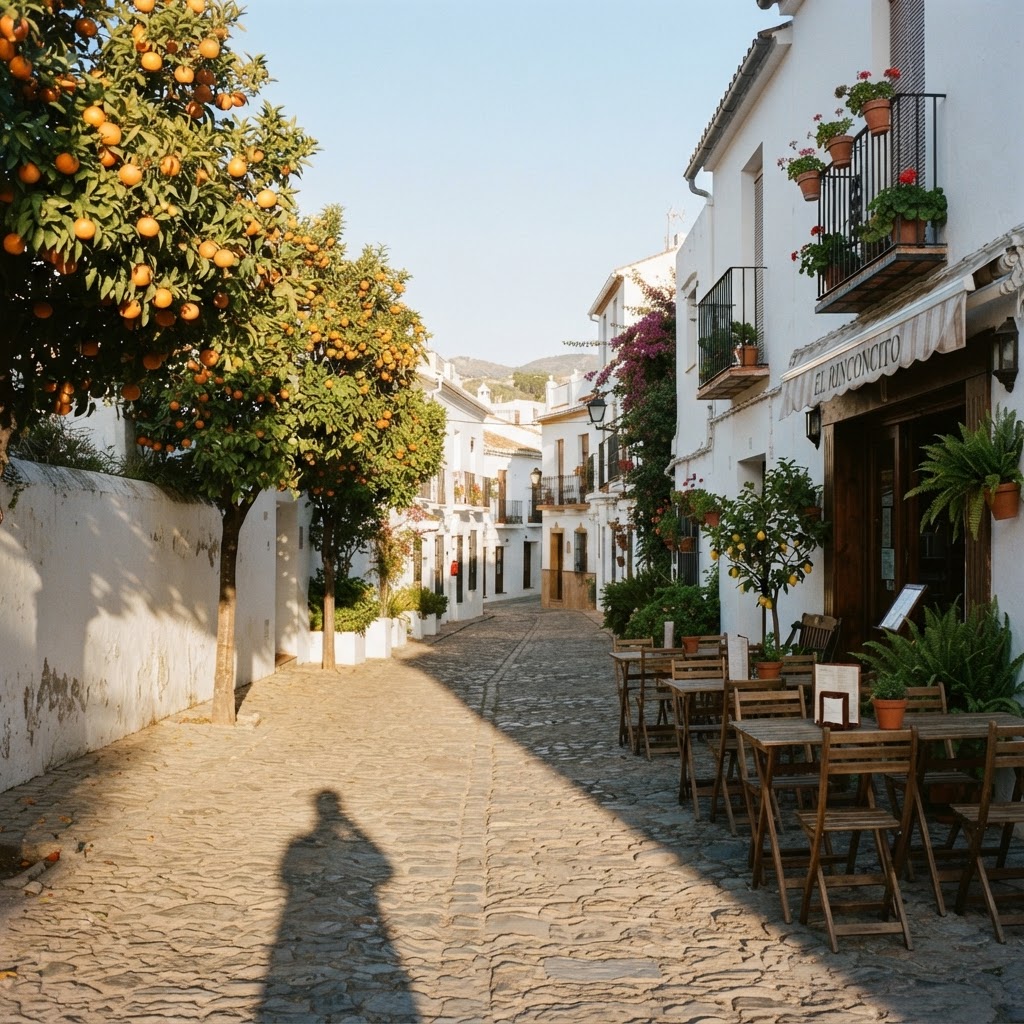
Pack a light jumper for the evenings, as the temperature drops quickly once the sun hits the horizon. This is the prime time for coastal cycling or sitting in a square in Mijas with a coffee while the tourists are still back home. By mid-June, the water is inviting enough for long swims without a wetsuit, and the festivals in the white villages start to appear.
Why We Wait for September
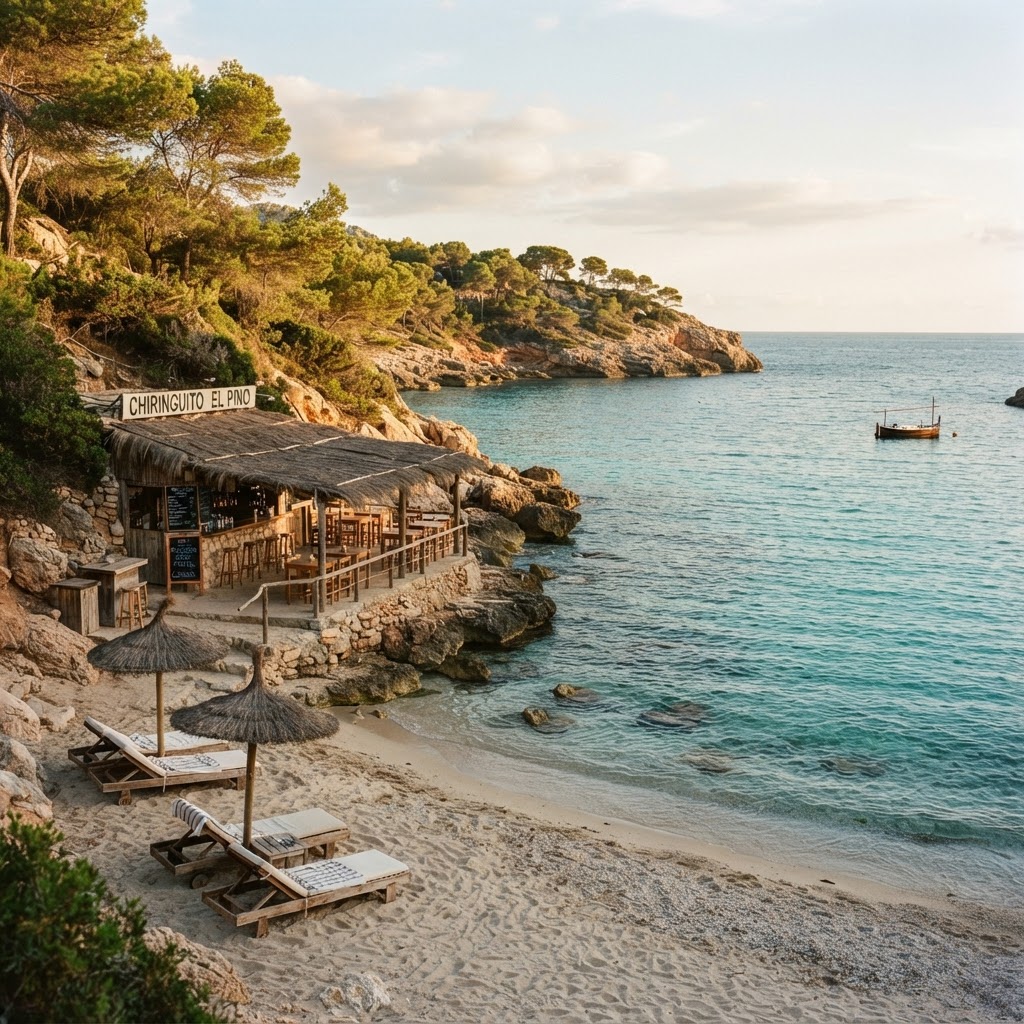
There is a specific relief that hits the coast around September 10th. The frantic pace of August evaporates, yet the Mediterranean remains bath-warm from months of intense exposure. The water is often at its clearest now, making it the ideal time for diving off the rocky coves near Nerja or Torrox. You are not fighting for a spot at the bar, and the water sports operators are far more willing to negotiate a session without a week-long waiting list.
The transition from summer to autumn is not a loss of light but a gain in clarity.
Do be aware that by the end of October, the weather becomes unpredictable. The first autumn rains can be sudden and heavy, turning dry riverbeds into rushing channels. Always check the weather reports before planning a day in the mountains, as mountain mists can roll in with little warning.
October and November Activities
- Walking: The Sierra de las Nieves and the trails near Ronda become manageable once the extreme heat dies down.
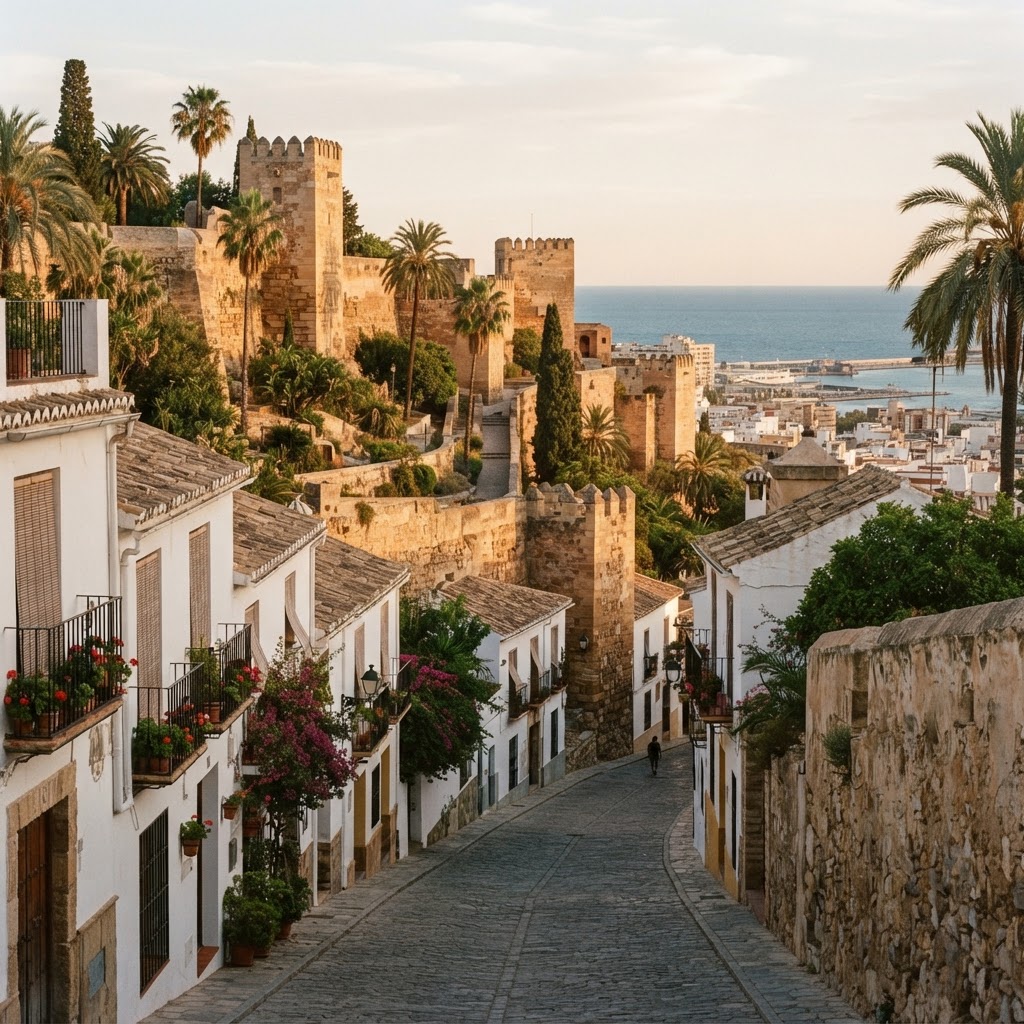
- City exploration: Málaga city is at its best when you can move through the Alcazaba without a guided queue breathing down your neck.
- Golf: The courses are less booked up and the air is crisp, making the round far more enjoyable than in the sweltering heat.
Practicalities of the Shoulder Months
You need to be realistic about what stays open. While the main hubs like Marbella and Estepona remain active year-round, some seasonal businesses in the smaller coastal resorts start to pull back their hours after the first week of October. If a specific beach bar has been on your list for months, ask at your local café if they intend to stay open through November. They will know the truth better than any online booking site.
Packing for November requires layering. The days can be glorious and short-sleeve warm, but the moment the sun dips behind the mountains, the temperature plummets. Bring a proper windbreaker if you are planning to spend time in Gibraltar or coastal cliffs, where the breeze can be biting even on a clear day. This is the time when the coast feels like a home, not a service industry machine.
Keep reading