Travel Tips · 3 min read
Christmas on the Costa del Sol: Lights, Weather and What's Open
Mild days, belenes in the churches and Three Kings as the real climax. What Christmas actually looks like on this coast.
Costa Del Sol Unlocked · November 2026
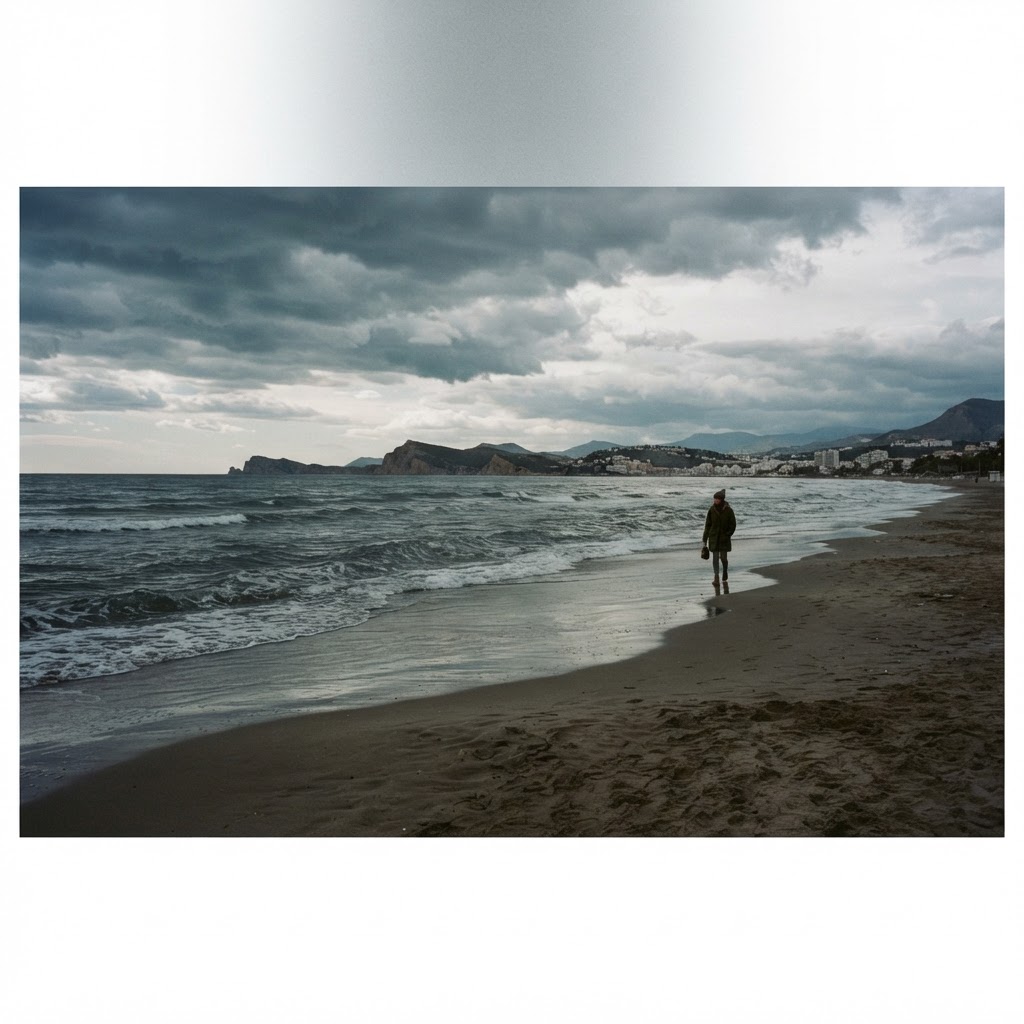
Christmas here is not a snowy affair, but it is a distinct season that demands a shift in expectations. You get bright, brisk days where the temperature sits comfortably between fifteen and eighteen degrees, followed by sharp, cold nights that cut through any jacket you didn't pack. Some weeks bring torrential rain that turns the streets into rivers, while others offer perfect, still afternoons ideal for long walks. It is a time for coats rather than swimwear.
The Rhythm of the Season
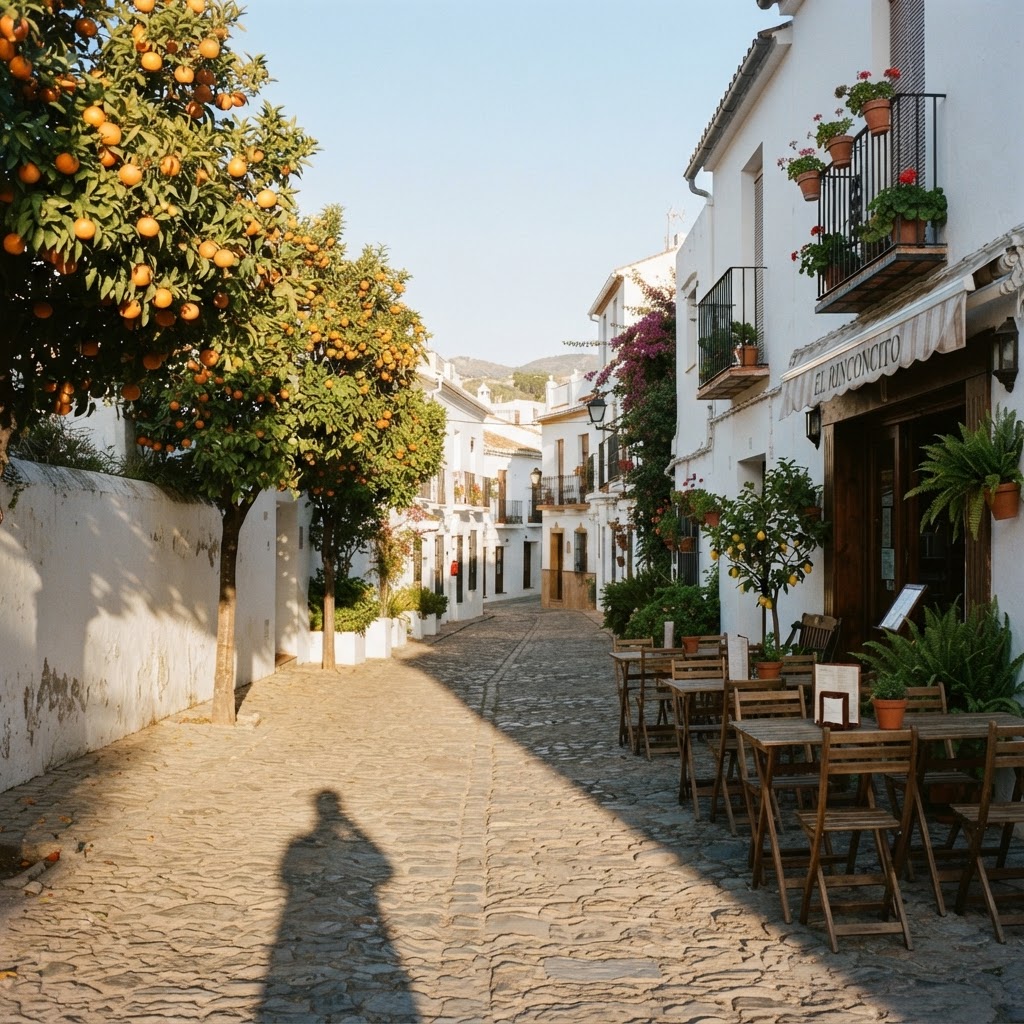
The festive atmosphere is less about the commercial frenzy you might be used to and more about public spectacle and family ritual. Málaga city centre is the definitive spot for lighting displays; the Larios street show attracts thousands, and the surrounding markets are packed with artisanal stalls. In the smaller white villages like Frigiliana or Ronda, you will find a quieter focus on the belenes. These nativity scenes are serious business here, often crafted with incredible detail, and you can find them in local churches, town halls, and even community centres.
The timeline of the holidays is stretched out rather than compressed into a single day. Lights go up in early December and stay until the 6th of January. Christmas Eve, the Nochebuena, is the primary family meal time when restaurants often close early to allow staff to be home. Do not assume everywhere will be open for a traditional Christmas Day lunch, as it is treated as a normal working day by many local bars and cafes. If you have a specific spot in mind, check locally well in advance.
Practical Realities and Closures
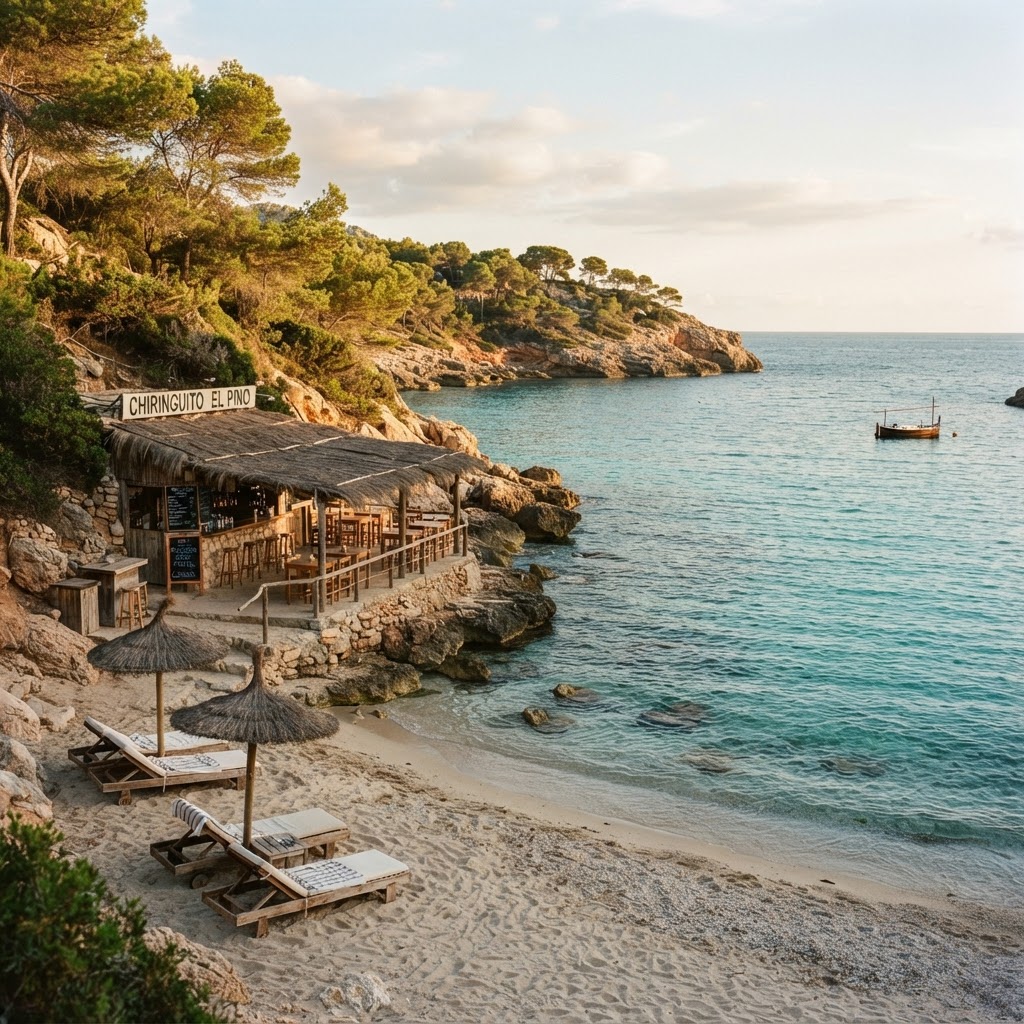
If you arrive expecting the bustling summer energy, you will be disappointed. This is the low season for tourism. Many chiringuitos and beach clubs pack away their terraces in November and do not reappear until the spring. Some larger resort hotels choose this quiet period for major refurbishments, meaning they shut their doors entirely for weeks or months at a time.
- Many smaller coastal towns feel surprisingly sleepy in the afternoons.
- Supermarket aisles will be dominated by boxes of mantecados and bars of turron long before the holidays begin.
- Public transport schedules, especially buses in smaller villages, often reduce frequency during the official bank holidays.
- Confirm the timetable for any museum or cultural site you plan to visit, as they often have restricted hours during the festive period.
The Climax of the Holidays
New Year's Eve is a spectacle of grape-eating. The tradition involves consuming twelve grapes at the stroke of midnight, one for each chime of the clock. If you are in a public square in a town like Estepona or Torrox, you will be surrounded by locals taking this seriously. It is a noisy, joyful event that often spills out into the streets until the early hours.
The true peak of the Spanish festive season is not Christmas Day, but the 6th of January, the Day of the Three Kings. This is when the children receive their gifts, and the streets are filled with the Cabalgata de Reyes parades.
These parades feature elaborate floats, performers, and plenty of sweets thrown into the crowds. It is the final, grand act before everyone heads back to work and school. It is worth seeing at least once for the sheer theatre of it.
What to Plan Now
Because the coast operates on a split schedule between the busy cities and the dormant seasonal towns, preparation is essential. If you are travelling to popular spots like Marbella or Nerja for the winter, book your accommodation early to secure the few hotels remaining open. If you are hoping for a particular table at a restaurant for a group dinner on New Year's Eve, make contact weeks ahead; these slots disappear fast among local families who have booked the same place for years. For trips to Gibraltar or inland to the white villages, factor in the shorter daylight hours; you have less time to travel before the sun drops behind the mountains and the temperature plummets. Always ask at the bar or check the local council website for event updates, as schedules can shift without warning.
Keep reading