Travel Tips · 7 min read
Costa del Sol Weather in December and January
Winter on the Costa del Sol: 17–18°C days, cold nights, seven wet days a month and a sea at 15°C. What December and January are actually like.
Costa Del Sol Unlocked · November 2026
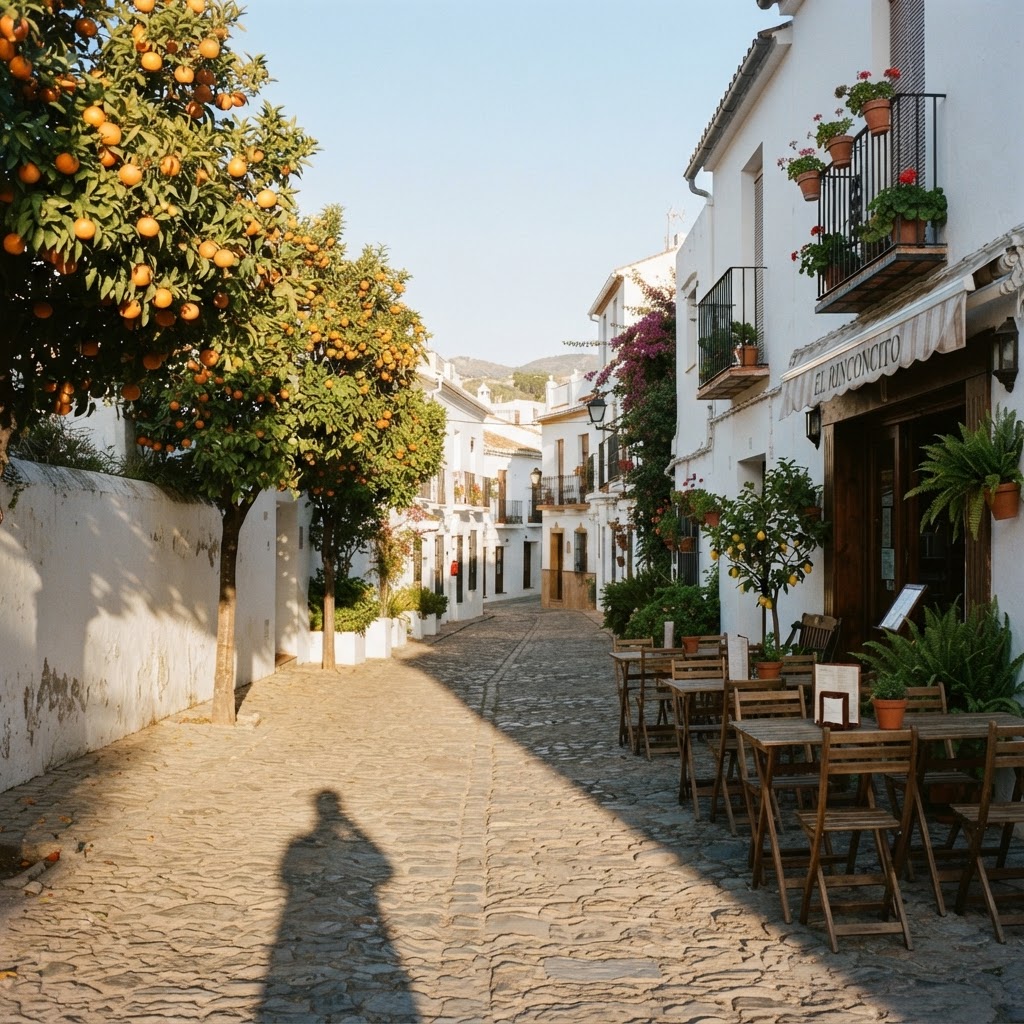
Winter is the coast's best-kept secret, and also its most misunderstood season. It is not summer with fewer people. It is a different place, with a different rhythm, and if you come expecting beach weather you will be disappointed. If you come expecting long sunny lunches, empty trails and oranges on the trees, you will wonder why you ever came in August.
December
- Typical daytime high: 17°C
- Night-time low: 9°C
- Wet days: about seven
- Sea temperature: 16°C
- Sunshine: five hours a day
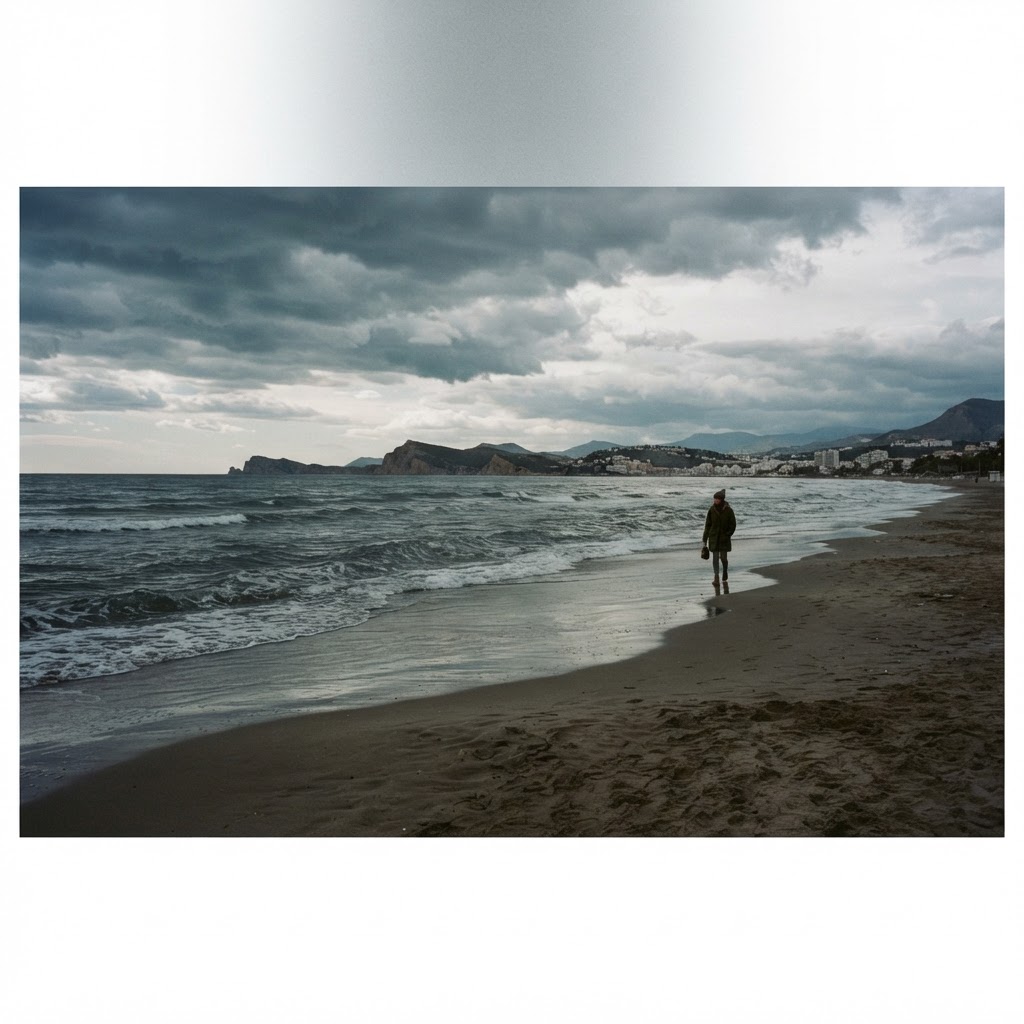
December days are short but frequently brilliant. A 17°C afternoon in Málaga, sitting outside with a coffee and no coat, is a genuinely common experience. The catch is the evenings: the temperature drops quickly after five, the sea keeps the coast damp, and apartments built for August are cold in a way that catches northern Europeans out. Check that your accommodation has heating, and that it works.
The first half of the month is quiet and cheap. Then the Spanish Christmas season begins in earnest: lights switched on in Málaga at the end of November, the belén displays, the fairs, and the run from 24 December through 6 January, when prices rise and the coast fills with people visiting family. If you want a cheap December, come before the 20th.
January
- Typical daytime high: 17°C
- Night-time low: 8°C
- Wet days: about six
- Sea temperature: 15°C
- Sunshine: five to six hours a day
January is the coldest month, and the quietest, and the cheapest. It is also, for our money, the best month of the winter to actually be here. The almond trees come into flower from late January across the hills behind Mijas and Coín, the light is extraordinary, and you can walk a coastal path for two hours without meeting anyone.
It is not warm. Mornings can be 6°C, and the wind off the sea has teeth. But between eleven and four, in a sheltered spot facing south, it is often 20°C and you will see locals in shirtsleeves while visitors wear coats. That contrast is the whole trick of a Costa del Sol winter: dress for the shade, live in the sun.
What winter is best for
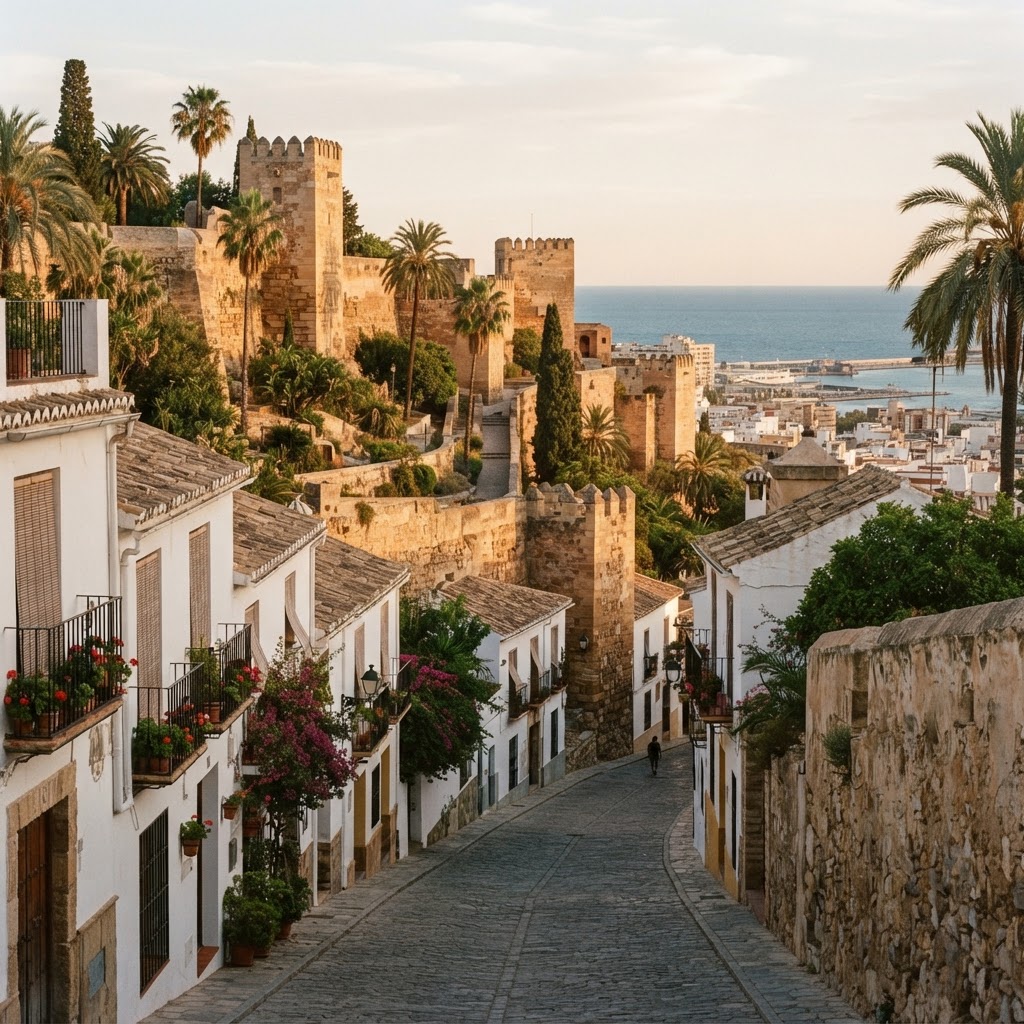
City days. Málaga in winter is the city at its best — the Picasso museum without queues, the Alcazaba in soft light, tapas bars full of people rather than tourists. Same for Seville, Córdoba and Granada as day trips, all of which are miserable in July and wonderful in January.
Walking. The Sierra de Mijas, the Axarquía and the white villages are all at their most walkable. The Caminito del Rey runs year-round and is far easier to book now than in spring.
Golf and cycling. This is the season the coast's golf economy exists for: 17°C, dry-ish, and courses that are green rather than scorched.
Eating. Winter menus are the real Andalusian cooking — stews, legumes, game, puchero, wild asparagus from February. The chiringuito sardine season is over, and what replaces it is better.
What to know before booking
Some resort hotels and a good number of beach bars close from November to March. Torremolinos, Benalmádena and parts of Marbella go very quiet; Málaga, Fuengirola, Nerja and Estepona stay open. Restaurants often shut one or two days a week in winter, so check before you walk.
Heating matters. So does orientation: a south-facing terrace in December is worth more than a sea view facing east. And if you are renting a car, note that the mountain roads behind the coast can be closed by snow a handful of days each winter — rare, but real.
Packing
A warm coat for the evenings, layers for the days, one waterproof, proper shoes, and something for a smart dinner. Add sunglasses: the low winter sun on a white wall is genuinely blinding.
For the shoulder months either side, see November on the Costa del Sol. For the coast's annual pattern, when to come, month by month.
Keep reading