Villages · 3 min read
The White Villages, Ranked
Casares, Frigiliana, Mijas, Ronda and the ones beyond — judged on how they look, how they feel, and the drive.
Costa Del Sol Unlocked · November 2026
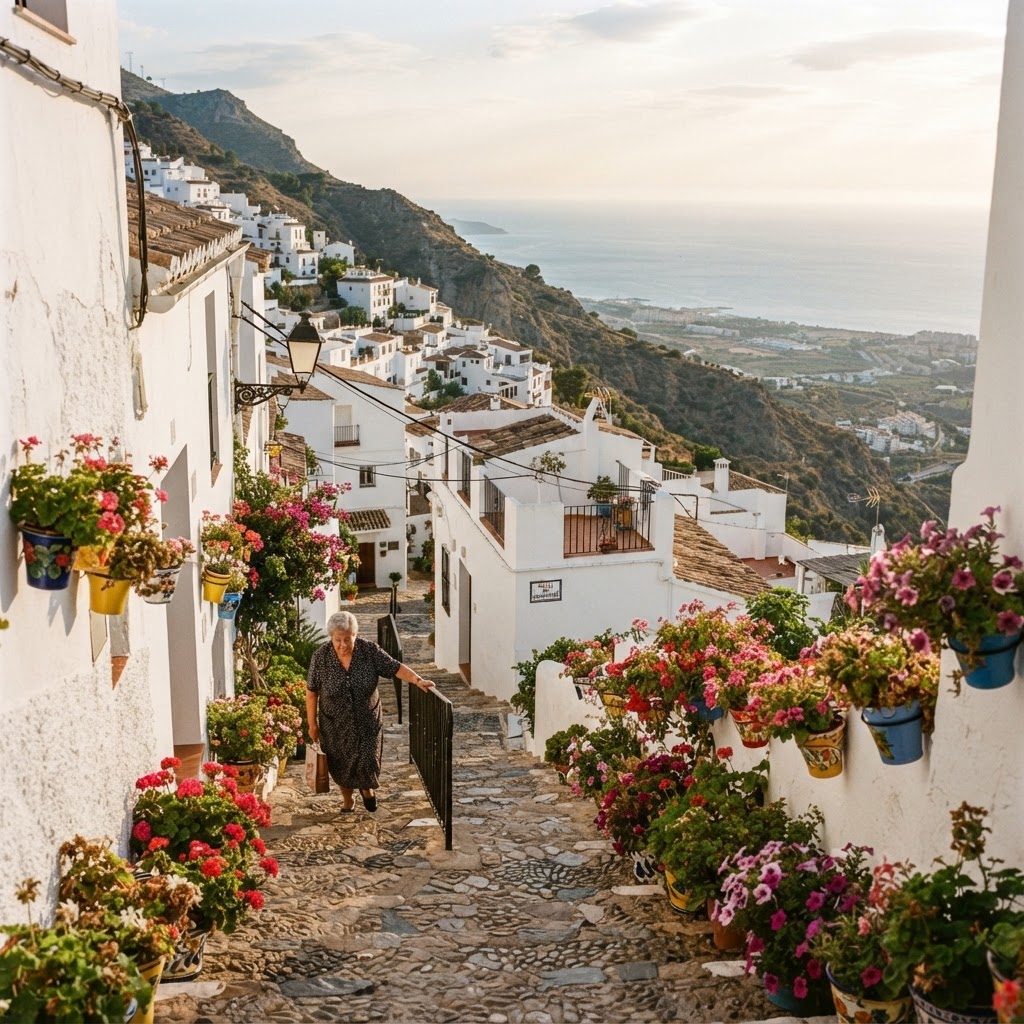
The white villages are the backbone of Andalusia, but accessibility and popularity have turned many into stage sets. To find the ones worth your fuel, you have to look past the souvenir shops and judge them by how they function when the tour buses return to the coast.
The Undisputed Heavyweights
Ronda is not a typical white village; it is a city carved in half by a geological fault. The scale of the Puente Nuevo is impossible to tire of, and the walk through the old Moorish quarter remains the benchmark for the region. It is always busy, but it is worth every kilometre of the slow climb into the mountains.
Grazalema is the best place to experience the real climate of the sierras. It is high, often misty, and feels miles away from the humidity of the coast. The limestone architecture is cleaner and more imposing than what you find elsewhere, and the local wool tradition adds a tangible weight to the place.
The Crowded Classics
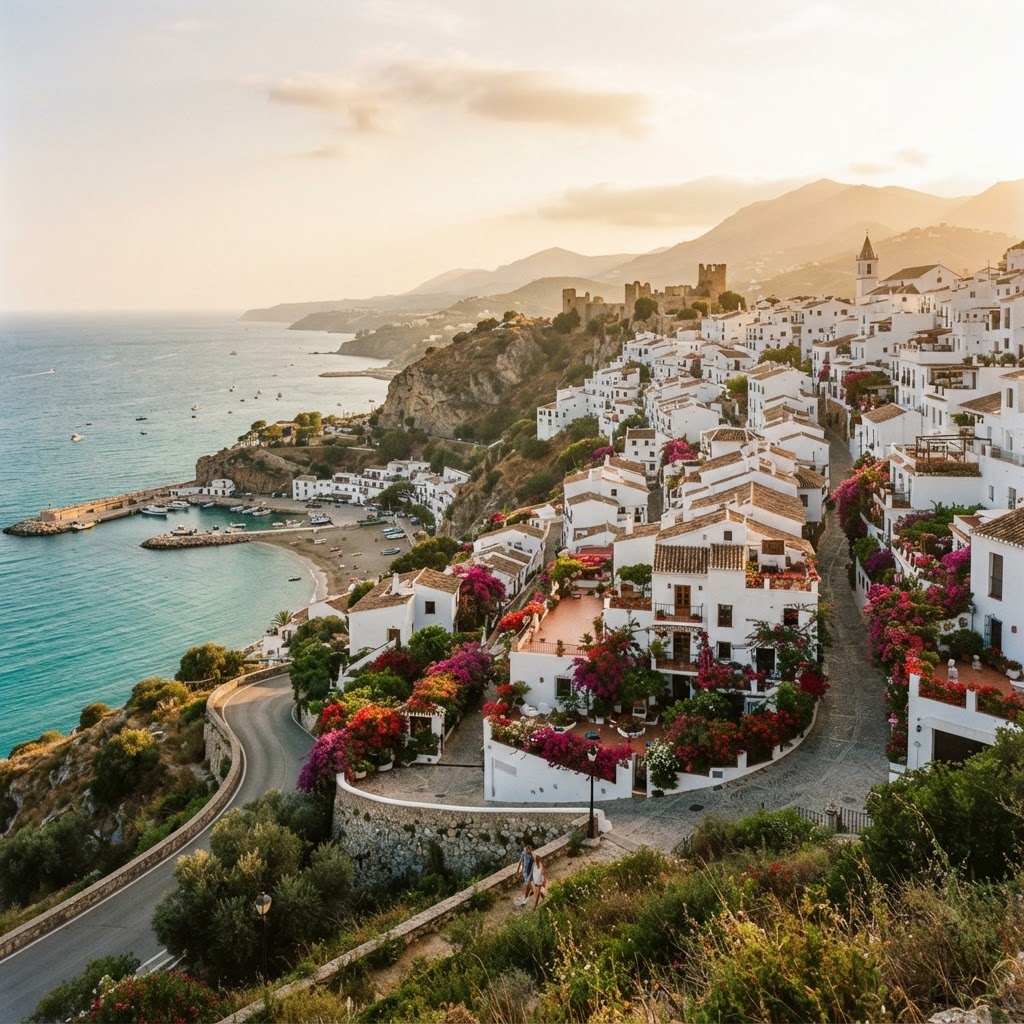
Frigiliana looks perfect in every photograph, but that perfection comes at a price. By mid-morning, the narrow streets are jammed with visitors, which strips away the village character. If you go, do so at dusk when the day-trippers have departed and the streetlights catch the white lime of the walls.
Mijas Pueblo is the most accessible of the lot, but it has sold its soul to the tourism industry. It is visually striking from a distance, yet the centre is largely a collection of tourist-focused retail outlets. Avoid it on weekends unless you enjoy fighting for space in a parking structure.
The Practical Alternatives
Casares is the one that actually lives up to the romantic ideal of the white villages. It clings to the side of a craggy mountain, and the verticality of its layout ensures that few people bother to climb to the top. The drive is winding, but the view of the coastline from the old castle ruins is one of the best in the province.
Torrox Pueblo keeps its head down. It is less concerned with catering to foreigners and more interested in being a functioning town. It lacks the dramatic cliff-edge positioning of its neighbours, but the trade-off is a relaxed atmosphere where you can sit in the main square and not feel like a walking wallet.
The Geology Enthusiasts
Setenil de las Bodegas is built into the rock itself. It is a strange, claustrophobic experience that is unlike any other village in the south. The houses are literally sheltered by massive stone overhangs, which makes for a fascinating hour of wandering, though the novelty wears off once you have seen the main street.
Zahara de la Sierra is defined by its reservoir. The turquoise water below the white peak makes for a stunning arrival. It is a long drive from the coast, so turn this into an overnight trip rather than a rushed day out.
What to Ignore and How to Manage
Some villages on the map are simply shells. If a place relies entirely on one street of crafts and has no real life behind the facade, skip it. You are better off spending your time in towns that still have a functional bakery, a working hardware store, and men playing cards in the shade.
- Mobility matters: Avoid the steepest parts of Casares or Arcos de la Frontera if you have bad knees, as the cobblestones are unforgiving and the inclines are sharp.
- Parking reality: In the popular spots, use the municipal parking structures. Trying to navigate a rental car through a narrow street meant for donkeys is a mistake you will only make once.
- Timing: Always aim for a Tuesday or Wednesday. Thursday through Sunday in the popular villages is often a struggle for parking and a restaurant table.
The best way to experience these places is to lose the map. Pick a direction that heads away from the Mediterranean, look for the white clusters on the hills, and accept that you will eventually get lost. In the mountains, that is usually the point.
Manilva is the honest middle ground. It is not as dramatic as the others, but it sits quietly in the vineyards. It serves as a reminder that these places were built for agriculture and survival, not for us to photograph. If you want to see how these villages actually work, start here.
Keep reading