Villages · 4 min read
The Coast, West to East: What Each Stretch Is Actually For
From Manilva to the Axarquía, an honest sweep of the whole coast — who each stretch suits and what it is bad at.
Costa Del Sol Unlocked · November 2026
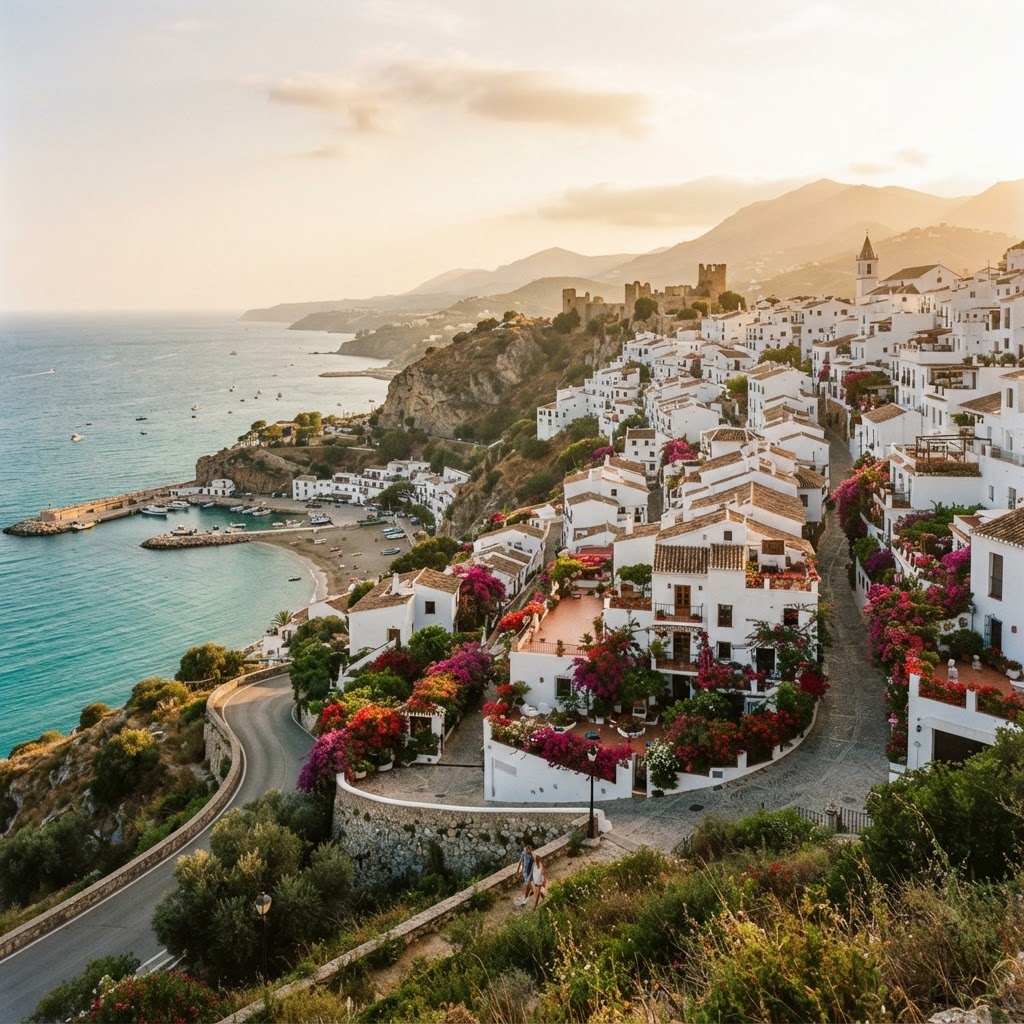
The Costa del Sol is not a single destination, but a thin strip of development stretched between the mountains and the sea. If you try to see it all, you will spend your trip stuck in traffic on the A-7. Geography dictates the pace here; the Sierra de las Nieves and the Tejeda mountains force the towns into narrow corridors, creating distinct pockets of character.
The Far West: Estepona, Manilva and Sotogrande
This is the stretch for those who find the centre of the coast too frantic. Estepona has worked hard on its town centre, filling it with flowers and maintaining a manageable, slightly residential feel. It feels like a place where people actually live, rather than just a holiday dormitory.
Further west, Manilva and the port of Sotogrande are geared towards golfers and families seeking space. You are a long way from the airport here, and you will almost certainly need a car. Public transport is thin on the ground and rarely convenient for exploring the smaller mountain villages like Casares, which is worth the drive for the view alone.
The Marbella Strip
Marbella is a tale of two realities. The old town remains an atmospheric warren of white-washed streets and small plazas that hold their own against the encroaching commercialism. If you stay within the old quarter, you can tap into a genuine Spanish rhythm.
The rest of the strip is a monument to convenience and status. It is excellent for high-end dining and beach clubs, but terrible for those who want a quiet, authentic escape. Expect heavy traffic, particularly in July and August, and be aware that parking in the centre is an expensive exercise in patience.
The Middle Coast: Fuengirola to Torremolinos
This is the engine room of the coast. If you want a train connection to the airport, this is where you stay. Torremolinos and Benalmádena are built for high-volume tourism, offering endless rows of apartments, busy beaches and a nightlife that does not pretend to be subtle.
Fuengirola is perhaps the most practical of the bunch, with a sprawling promenade and a railway line that serves the entire central strip. It is not pretty in the traditional sense, but it is functional. This area is bad at providing seclusion, but if you want to be able to get a meal at midnight or walk to a train station, it is hard to beat.
Málaga City
Málaga has moved past its reputation as a transit hub. It is now a proper city with a significant cultural calendar, a walkable centre and a dining scene that is currently the best on the coast. You do not need a car here, which is its greatest advantage.
The city handles crowds well, though the sheer volume of cruise ship passengers can make the main streets feel tight during the day. Visit the museums, walk up to the Gibralfaro for the view, and leave the beach-towel culture to the towns further down the coast.
The East: Nerja, Torrox and the Axarquía
The geography shifts once you pass Málaga. The mountains get closer to the sea, the road becomes windier and the scale of development shrinks. Nerja is the anchor of this area, famous for the Balcón de Europa and a series of dramatic cliff-backed coves.
The farther east you go, the more the coast yields to agriculture. You will see as many greenhouses and mango groves as you will luxury villas.
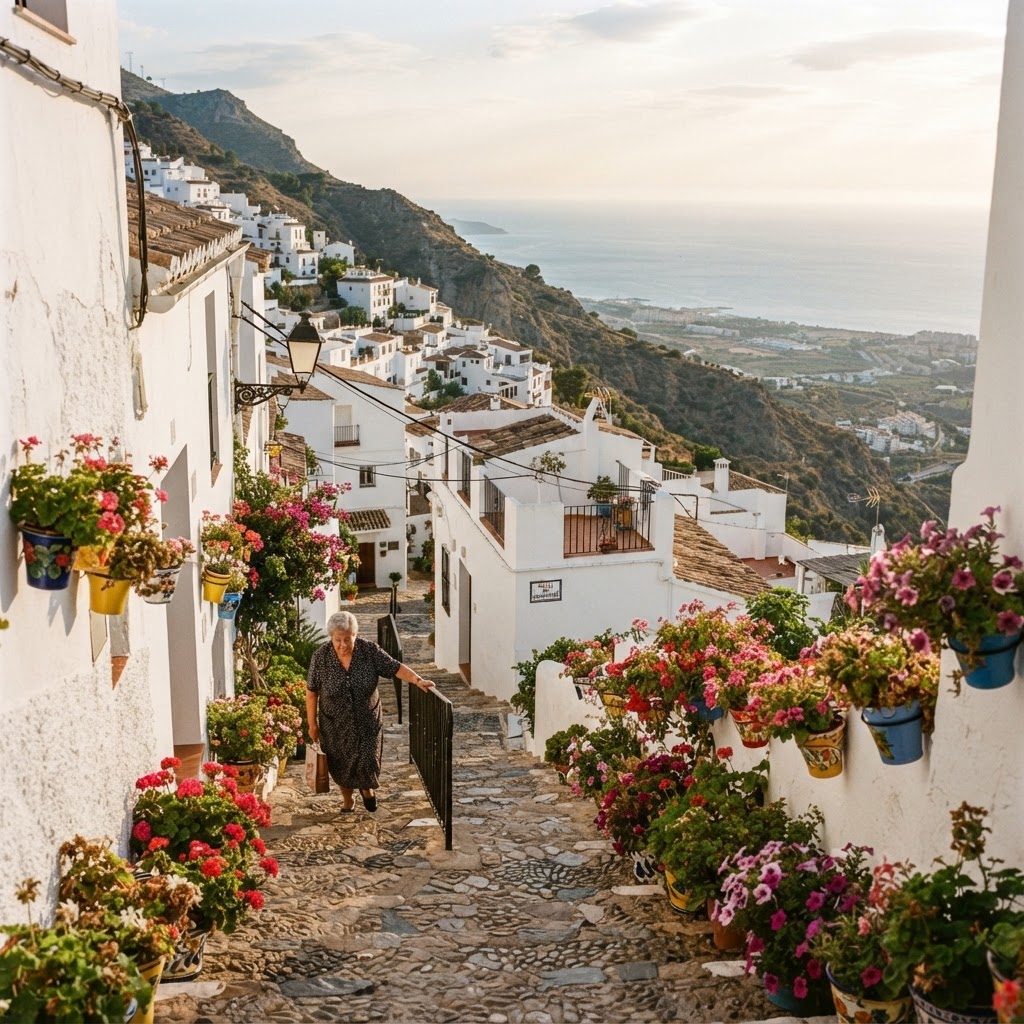
Torrox and the villages set back from the coast, such as Frigiliana, offer a different pace. Frigiliana is beautiful but can feel like a theme park during the peak of the day. This stretch is bad at handling large influxes of tourists; the narrow roads mean that once the car parks are full, your day is effectively over.
Practical Comparisons
- Connectivity: The train only runs between Málaga and Fuengirola. Everywhere else requires a car or a bus.
- Terrain: The west is flatter and wider; the east is steep, rocky and dramatic.
- Atmosphere: Choose the west for infrastructure and ease; choose the east for scenery and a more traditional village feel.
- Planning: Check local events before booking, as local ferias can shut down entire town centres for days at a time.
If you have only a week, do not try to do it all. Pick two bases to avoid wasting your holiday in a car. Málaga city paired with Nerja offers the best mix of culture and coastal scenery. If you prefer long walks on the beach and proximity to golf courses, choose a base in Estepona and split your time between the west and the mountain villages of the interior.
Keep reading