Food & Drink · 3 min read
The 3pm Lunch: Why Locals Eat Late
Kitchens open at two and close at four, and the afternoon becomes a different country. How to eat on Spanish time.
Costa Del Sol Unlocked · November 2026
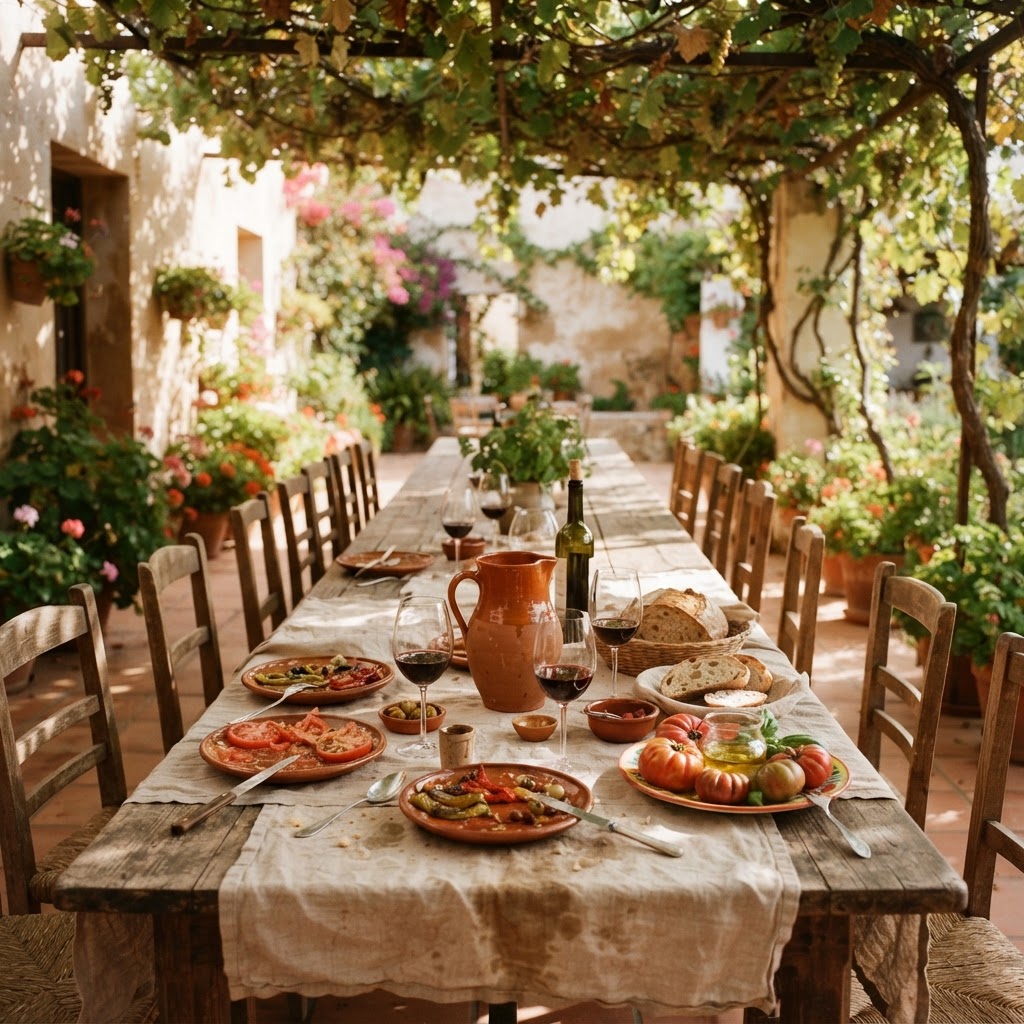
In the Costa del Sol, the midday meal is not a quick break between tasks; it is the axis around which the day turns. If you turn up at a restaurant at twelve-thirty, you will be met with locked doors or a bartender still setting the chairs. Arrive at three, and you will find the kitchen in full swing, the dining room humming with life, and the real business of the day underway.
The Logic of the Clock
Spain keeps Central European Time, a decision made for political alignment in the nineteen-forties that puts the sun out of sync with the clock. By solar time, the Costa del Sol is actually on the same meridian as London, but our mornings start in the dark and our daylight stretches deep into the evening. This creates a staggered rhythm where people work long, heavy blocks in the morning, leaving the afternoon wide open for the social ritual of the meal.
Lunch acts as the main caloric intake of the day. A proper meal is meant to sustain you, which is why it is heavier and more deliberate than what you might be used to at home. Because the kitchens operate on a strict split shift, they close after the afternoon rush and do not fire up the stoves again until nine or ten at night. If you miss the lunch window, you are often left with nothing but cold tapas or packaged snacks until the evening service begins.
The Mechanics of the Menú
The smartest way to eat here is the menú del día. Offered on weekdays, this fixed-price option is the backbone of local food culture. You get three courses, a drink, and bread, usually for a price that would barely buy you a sandwich in a UK city centre. It is practical, efficient, and ensures you eat fresh, seasonal produce without needing a complicated menu.
- Order the first course, often a soup, salad, or pulses.
- Follow with the main, usually a choice of grilled fish, local meats, or a hearty stew.
- Finish with a simple dessert or a coffee.
Eating at two in the afternoon is not just about hunger; it is a declaration of intent to slow down and acknowledge the rhythm of the place.
The Art of the Sobremesa
Once the plates are cleared, do not expect to be handed the bill immediately. The sobremesa is the period after eating where the conversation continues over coffee, brandy, or simply more water. It is a vital part of the lunch experience, used to digest both the food and the news of the day. If you try to rush out, you will look like the frantic tourist you are trying not to be.
This habit is particularly strong in the white villages like Frigiliana or Ronda, where life moves at a pace dictated by the heat and the terrain. In larger hubs like Málaga or Marbella, the speed of commerce occasionally forces a quicker exit, but the instinct to linger remains. If you are dining with children, you will find that locals are entirely accustomed to kids being part of this long-form process, though do not be surprised if your children are the only ones awake at ten in the evening in a restaurant.
A Strategy for Visitors
If your stomach cannot wait until nine for dinner, adopt a two-tier system. Eat a substantial, traditional lunch at two or three, and then treat eight o'clock as a light snack time. A small plate of jamón or a few olives at a bar will see you through until the late-night dinner hour. If you arrive at a restaurant at eight expecting a full meal, you may be the only person in the room.
Tourist-heavy towns like Estepona or Nerja often have restaurants that offer 'all-day' service to cater to visitors who cannot shift their internal clocks. While these places are convenient, the quality often dips compared to the establishments that only open for the primary meal times. If you want the real experience, look for the places that clearly advertise their kitchen hours on the door.
Always book your table for two, even if you are only one person. It signals that you are there for the full experience rather than a quick bite at the bar. If you find a place you like, ask the waiter when they stop taking orders; kitchen staff here are precise and will turn off the ovens right on the dot of four. If you respect the schedule, you will eat better than any guidebook could ever guarantee.
Keep reading