Culture & History · 3 min read
Malafollá Explained: Málaga's Famous Deadpan
Málaga's dry, needling humour has a name. Where it comes from, how it sounds, and how not to take it personally.
Costa Del Sol Unlocked · November 2026
The Art of the Deadpan
Malafollá is not quite rudeness, though it takes a moment to tell the difference. It is the local speciality of delivering a verbal jab in a voice as flat as the Mediterranean on a windless day. There is no performative anger, no raising of the voice, and certainly no apology afterwards. It is a linguistic shrug.
If you ask a taxi driver in Málaga if he knows the fastest route to the airport, he might look at the road, then at you, and remark that he has been driving for thirty years but will try to learn today. He is not being helpful, he is being honest about your question. You are expected to move on, perhaps by dryly acknowledging that his education is long overdue.
Roots in the Port
This style of communication is baked into the city. Málaga has been a working port for millennia, a place where people trade, haggle, and survive on a mixture of grit and skepticism. The history here includes long stretches of economic hardship where sincerity was a luxury and directness was a survival mechanism.
The language reflects this environment. In the old quarters, talk is kept brief and utilitarian. When a market stall holder looks at your choice of fish and tells you that you have picked the ugliest one in the pile, they are not insulting your taste. They are initiating a transaction based on the premise that you are both adults who do not need flowery pleasantries to get the job done.
Navigating the Social Exchange
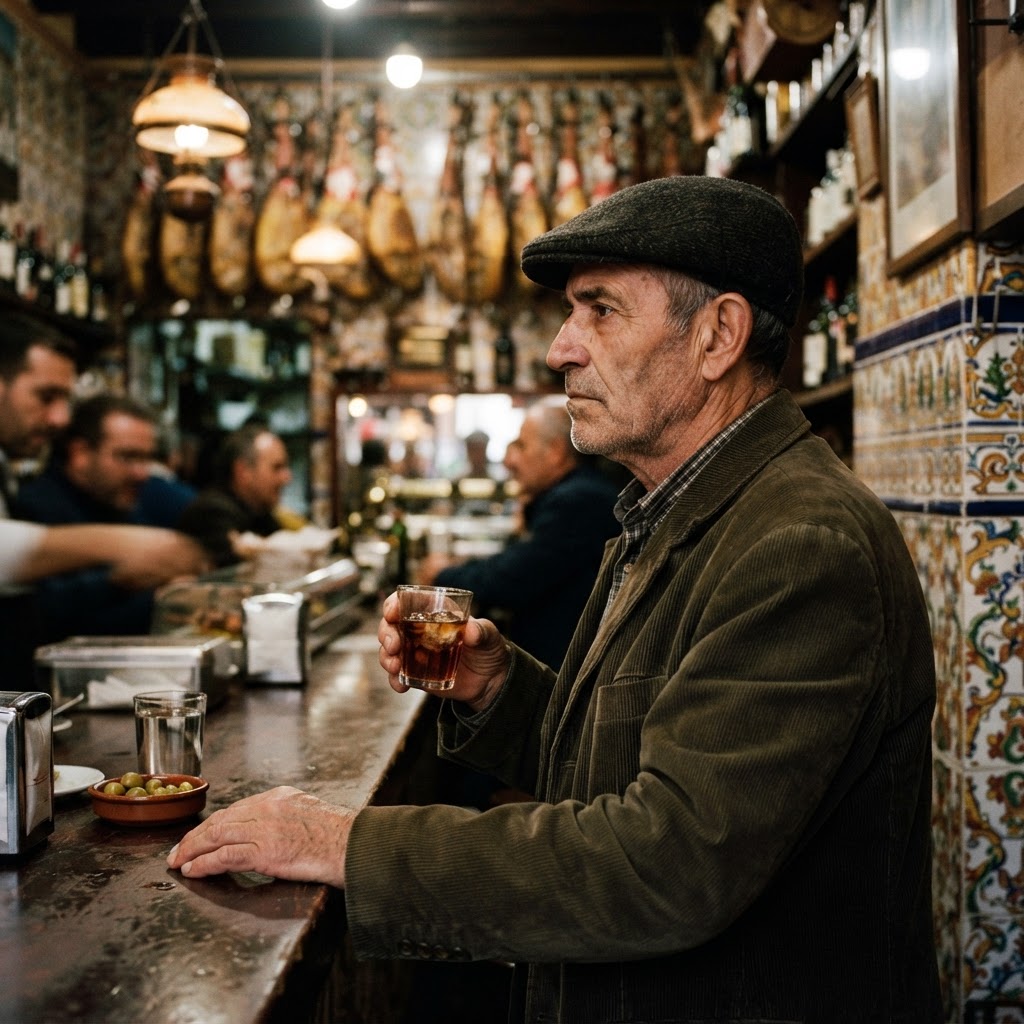
You will encounter this most often in the bars and shops where the pace of life remains unbothered by tourist expectations. It is the baseline interaction between neighbours. It is often reserved for people the speaker actually likes; strangers get politeness, but friends get the full weight of the local dry wit.
- Do not expect a retail worker to thank you for entering the shop.
- Accept a blunt assessment of your Spanish skills from a local without feeling the need to explain that you are still learning.
- Do not try to be charming in response; you will lose the exchange.
To be on the receiving end of a bit of malafollá is to be treated like someone who belongs here. It is a form of inclusion that requires a thick skin and an appreciation for the ridiculous.
The Golden Rule
The cardinal mistake a visitor makes is to take it personally. If a waiter tells you that your order is complicated or a local tells you that you are wearing the wrong shoes for the terrain, they are simply stating what they perceive as an objective fact. To look offended is to signal that you do not understand the rules of engagement.
The correct response is either a stony face or a retort that matches the indifference of the initial remark. If you laugh, they might think you are mocking them. If you get angry, they will wonder why you are making a scene over nothing. The most graceful way to play along is to treat the comment as a throwaway observation and continue with your day as if the conversation never happened.
Keep reading