Culture & History · 3 min read
Before Ten: The Local Morning on the Coast
Markets, tostadas, dog walks and an empty beach. What the coast does before the day properly starts.
Costa Del Sol Unlocked · November 2026

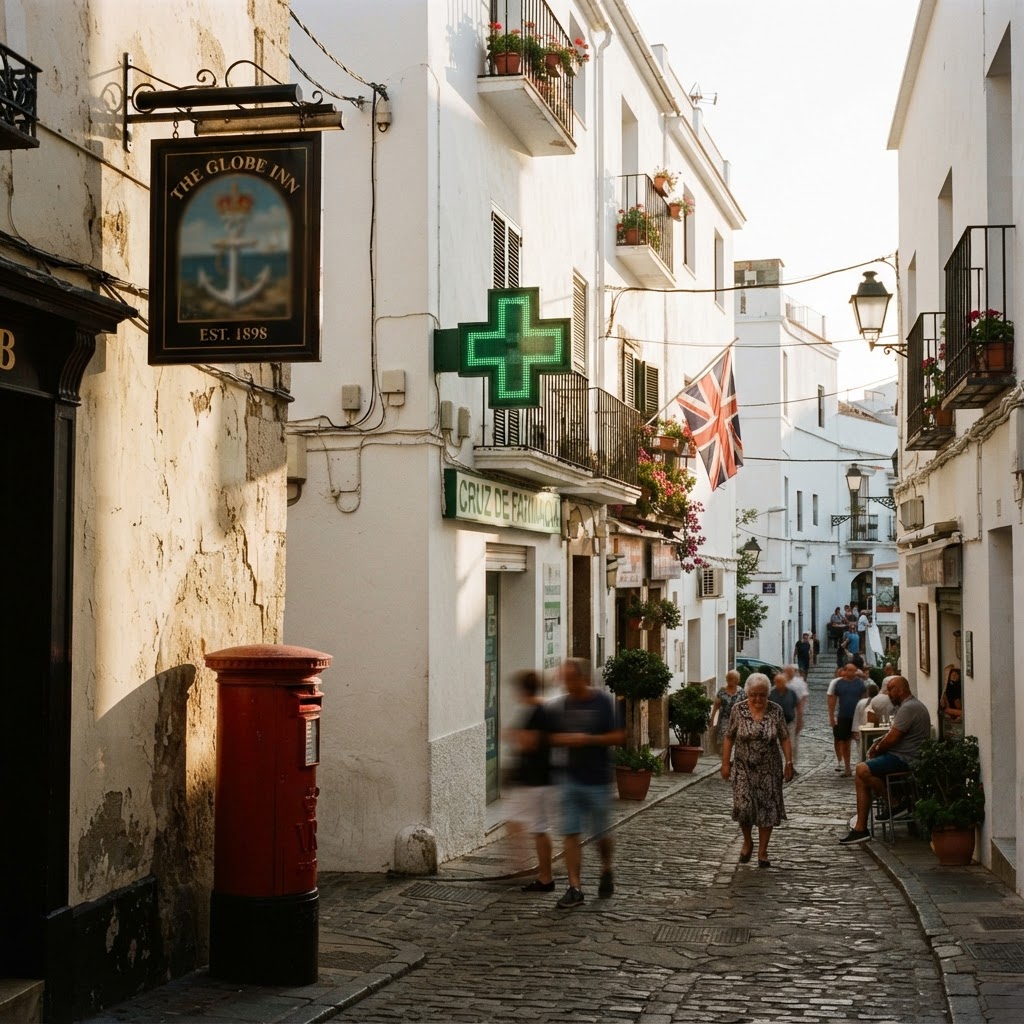
The coast wakes up slowly, preferring the rhythmic clatter of shutters to the alarm clock. Between seven and ten, you see the version of the region that belongs to the residents rather than the suitcase-toting arrivals. It is a time of specific rituals: the smell of fresh dough, the precision of the street sweeper, and the salt air before it is layered with the scent of sunblock.
The Bar Counter Ritual
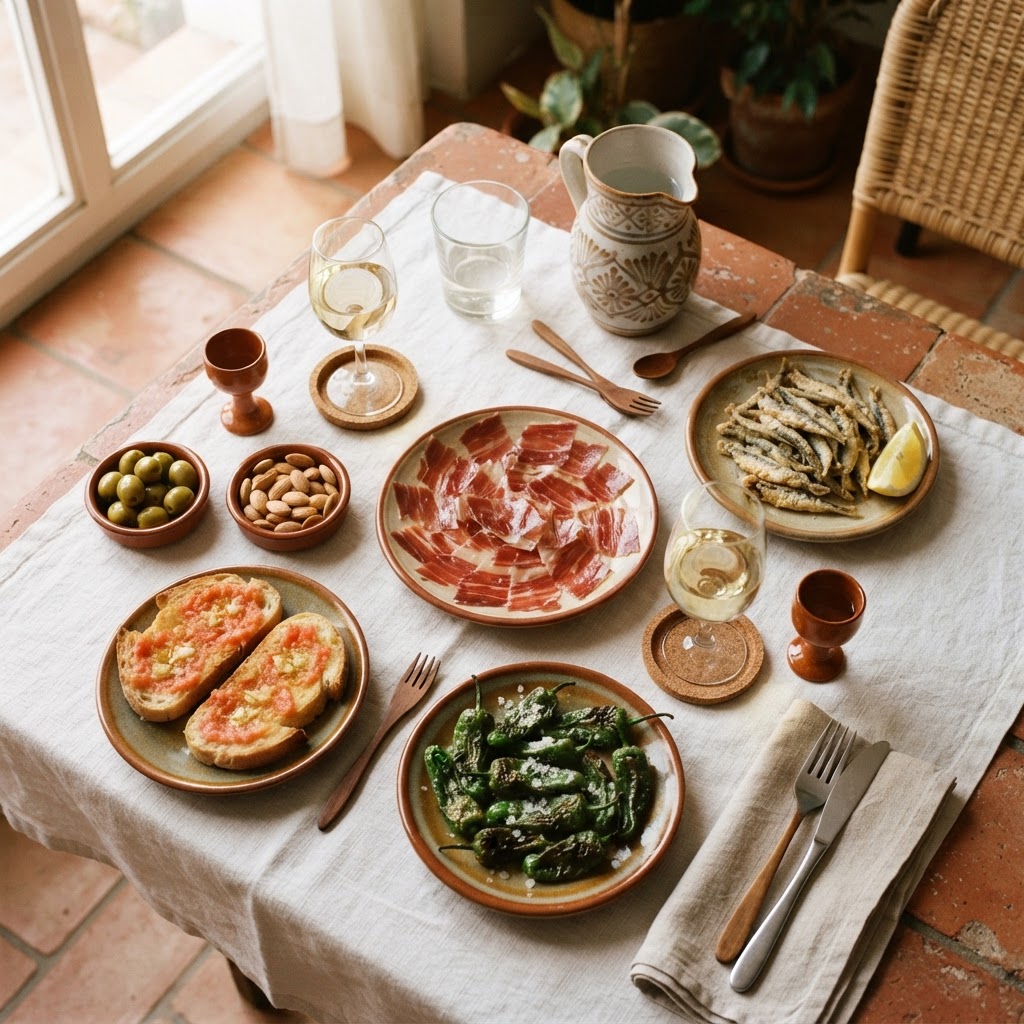
In the quiet of early morning, the local bar is the town’s living room. You do not look for a table outside; you head straight for the metal counter where the floor is still cool. Order a café con leche and a tostada with tomato and olive oil, and if you are feeling bold, a smear of lard known as manteca colorá.
Standing at the bar is an exercise in efficiency and belonging. You pay at the till before you leave, often after you have finished your second coffee or caught up on the headlines. Do not rush, even if the queue is three deep; the staff expect you to linger over your breakfast. It is how information is traded, from the status of the local football team to which road is blocked for repairs.
The Market Hall Pulse
Before ten, the market halls are at their most honest. At the Atarazanas in Málaga, the fishmongers are laying out the morning haul while the air is still crisp and free from the heat of the afternoon. This is when you see the best selection of boquerones and gambas, displayed on beds of crushed ice before the crowds arrive.
Other towns maintain this tradition with equal seriousness. You should check the local market schedules in places like Estepona or the smaller inland towns to understand the rhythm of supply. The market is not a tourist attraction for the residents; it is where they secure the produce for the day's main meal. If you want to see a town’s true character, watch who buys the fish and how they haggle over the price of seasonal fruit.
Morning is the only time the coast feels like a village, no matter how much concrete has been poured over the hillside.
The Promenade and the Water
The seafront promenade belongs to the dog walkers and the year-round swimmers. You will spot the swimmers easily: they usually carry a small towel and head straight for the water without checking the temperature, regardless of the month. They rarely stay in long, but they claim the sea while it is still flat and glassy.
By nine o'clock, the school run dominates the backstreets. The pace is frantic, punctuated by the high-pitched chatter of children and the struggle to find a parking space near the gates. If you are driving through residential areas, expect delays. It is the one time of day when the laid-back reputation of the coast is temporarily suspended.
Things Better Before Ten
- Parking: Spaces near the beach are easy to find, and you avoid the aggressive sun-dodging maneuvers of mid-afternoon.
- Photographs: The light hits the white villages like Mijas or Frigiliana at an angle that defines their architecture rather than washing it out.
- The Sea: The water is at its clearest before the midday breeze stirs up the sand and the debris of the day.
- Quiet: Even the most popular stretches of sand remain empty, allowing you to walk the shoreline without dodging deckchairs or beach umbrellas.
Confirm the local timetable for street markets, as these shift based on municipal decrees. As the clock strikes ten, the tourists usually emerge, the parasols bloom across the sand, and the coast transforms into the version most people recognise. Until then, it is yours to observe.
Keep reading