Events · 3 min read
Three Kings on the Coast: The Night That Actually Matters
The evening of 5 January, the cabalgatas, the sweets and the roscón: how the Spanish Christmas really ends.
Costa Del Sol Unlocked · November 2026
Forget the 25th of December; for anyone living on the Costa del Sol, the real finale of the festive season arrives on 5 January. This is the night of the Cabalgata de los Reyes Magos, the Three Kings procession, which remains the absolute peak of the Spanish calendar for local families. While Christmas Day exists, it is the arrival of Melchior, Caspar and Balthazar that dominates the collective consciousness. By early January, children have spent weeks finalising their letters to the kings, detailing their behaviour and their requests, which are then handed over to royal pages stationed in town squares. When the sun sets on the eve of the Epiphany, the entire coast shifts into a state of high-octane anticipation.
The Logistics of the Cabalgata
The processions follow a similar format across the province, though the scale varies wildly depending on your location. The kings arrive on decorated floats, often accompanied by brass bands, dancers, and local clubs dressed in costume. It is a spectacle of noise, light, and motion that moves through the main streets of almost every town. Expect to spend a long time standing on the pavement. The crowds start building hours before the first float appears, so if you are with young children, staking out a spot early is not a suggestion but a requirement.The primary objective of the evening is simple: to secure as many sweets as possible as they are pelted into the crowd from the passing floats.You will see people prepared with upturned umbrellas and repurposed shopping bags to catch the falling confectionary. It is chaotic, loud, and entirely unsentimental. Keep your children back from the edge of the curb; the heavy floats move slowly but they do not stop for stray feet, and the scramble for a stray lollipop can get aggressive. If you plan on eating out, book your table for a late sitting. The streets will be gridlocked until well after the procession ends, and many kitchens will be operating at full capacity while the towns are still in transit.
Towns and Villages Compared
Deciding where to watch the procession depends on how much of a crush you can handle. The scale of the event changes the nature of the experience significantly:- Málaga: The city puts on the largest show in the province. It is impressive, involving thousands of participants and massive floats, but you will be shoulder-to-shoulder with thousands of others. If you choose this, commit to being stuck in the centre for several hours.
- Smaller towns like Estepona or Torrox: These offer a more manageable middle ground. You get a substantial, well-organised procession that still feels like a community event. It is easier to find a view of the street without needing a periscope.
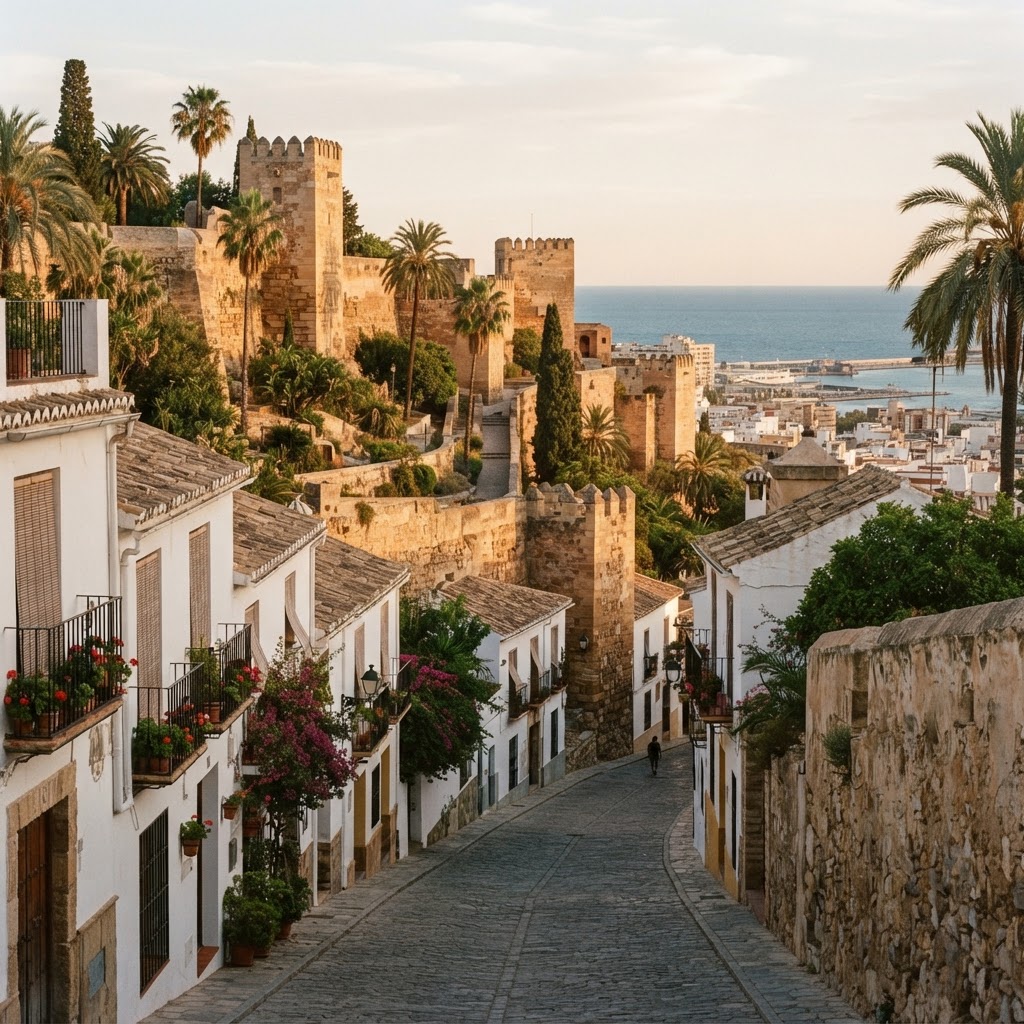
- White villages like Frigiliana or Mijas: Here, the atmosphere is dense and parochial. Watching a kings' float navigate a tight, cobbled street that was never designed for a truck is an experience. It feels intimate and distinctly local, though the supply of sweets might be less torrential than in the city.
The Morning After
The morning of 6 January is when the cycle closes. Children wake to find that the kings have visited their homes and left gifts, usually arranged near the family tree. This is the moment of primary excitement, often bypassing the ritual of Father Christmas entirely. It is a slow, domestic start to the day. Many shops and businesses remain closed for the public holiday, as the day is firmly reserved for family meals and the consumption of the roscón de Reyes. This circular sweet bread, decorated with candied fruits, is the final essential ritual. It hides a small ceramic figurine and a dry broad bean. Tradition dictates that whoever finds the figurine is crowned king of the meal, while the person who finds the bean has to pay for the roscón. Check your local bakery for their specific take on this, as some upscale versions include fillings of cream or truffle. By the afternoon of the 6th, the coast begins to return to normal, but until that last slice of cake is finished, the holiday remains in full force.Keep reading