Living Here · 3 min read
Moving to the Coast: The First Year
The admin, the seasons and the small surprises of a first year living on the Costa del Sol, told honestly.
Costa Del Sol Unlocked · November 2026
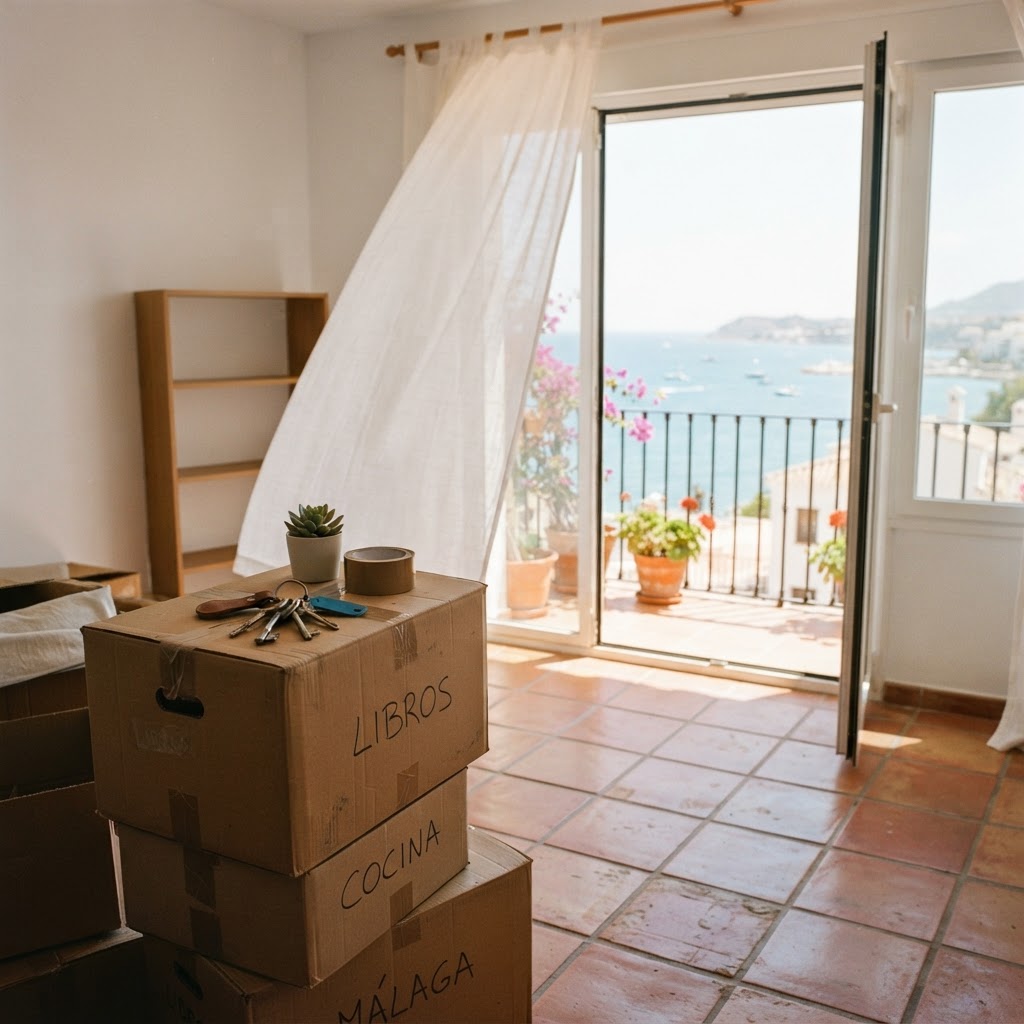
Moving to the Costa del Sol is not a permanent holiday, and the first twelve months will test your patience as much as they reward your curiosity. The transition from visitor to resident involves shedding the romanticism of the brochures and getting to grips with the bureaucratic reality of living here.
The Paperwork Ritual
Expect your first three months to be dominated by administration. You will need a Foreigner Identity Number, which is your passport to everything from phone contracts to tax returns. Registering on the padrón at your local town hall is essential for proving your residency, and you will need to sort out your healthcare access, whether through private insurance or the state system.
- Always assume you need two visits to any government office. The first is to be told what document you forgot; the second is to hand it over.
- Keep a physical folder of every stamped document you receive. Digital copies are useful, but local offices often demand the original paper trail.
- Opening a bank account can be surprisingly rigid. Research which branches are accustomed to dealing with new arrivals to save yourself a wasted morning.
Finding a Home and Fighting the Chill
Long-term rentals are a different beast compared to holiday apartments. Agencies often require significant deposits and proof of income, and you should be wary of properties that look too good to be true, especially if the photos seem staged for tourists. When you sign, pay close attention to the heating situation.
Inland or coastal, buildings here are designed to keep heat out, not in. In January, the stone floors turn ice-cold and the humidity can make a fifteen-degree day feel biting. You will need a decent heater and a thick pair of socks, regardless of what the sunshine outside suggests.
A home in February is a stark contrast to a holiday flat in July. You must look for south-facing windows and decent insulation, as the winter damp is a genuine issue in many older coastal developments. Do not compromise on this, or you will spend your first winter shivering in a property that is impossible to warm up.
Language and Working Life
You can survive in Marbella or Estepona with only English, but you will remain a tourist in your own life. Learning Spanish is the most practical step you can take toward feeling like a local rather than a temporary expat. By spring, you will find that basic conversational ability opens doors in smaller towns like Frigiliana or Torrox where English is less common.
If you are working, expect the pace to be slower than in the UK. Connections are built over coffee, not emails, and deadlines are often treated as suggestions. If you have children, the local school system is integrated and children usually pick up the language within the first six months. Just be prepared for the differing term times and the intense involvement required for school social events.
Navigating the Seasons
The first year is a lesson in climate adjustment. You arrive expecting endless summer, but the reality is more nuanced.
- January and February are cold and often surprisingly wet. This is when the region breathes, the tourists vanish, and you get the coast to yourself.
- July and August are a test of endurance. It is too hot for daytime errands, so you must learn the rhythm of early starts and late-night socialising.
- September and October are the best kept secret. The sea remains warm, the crowds thin out, and the light becomes clear and crisp.
Building a Life Beyond the Admin
The first month is often the loneliest. You have unpacked the boxes and sorted the paperwork, but you have no routine. Force yourself to become a regular at one specific café or bar. By turning up at the same time every day, you will eventually become a familiar face to the staff and other locals.
Meeting people is easier if you avoid the expat-only bubbles. Join a local gym, a walking group, or a Spanish class that requires interaction. The human side of moving here is about consistency. You will find that small daily pleasures—a morning cortado, a walk along the promenade in Mijas, or a trip to a local market in Málaga—eventually stitch together to form a life that feels entirely your own. Just remember that no matter how long you live here, you must always check the bus timetables locally and never assume a business is open just because the sign says so.
Keep reading