Nature · 3 min read
The Levante and the Poniente: Reading the Wind
Two winds decide how the coast feels. How to tell which is blowing, what it does to the sea, and where to shelter.
Costa Del Sol Unlocked · November 2026
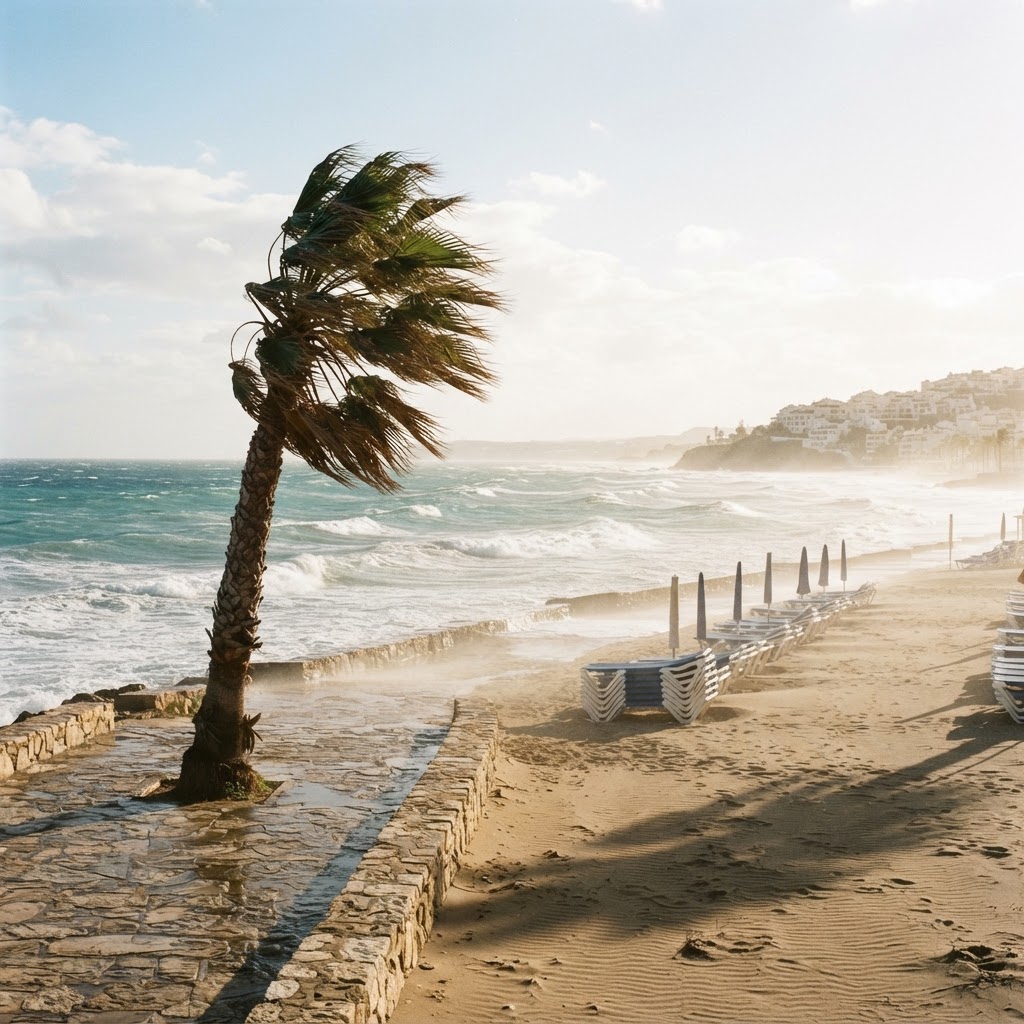
Living on the Costa del Sol means checking the wind direction before you even think about putting on your shoes. You quickly learn that the weather here is defined by two primary air currents, the Levante and the Poniente, which dictate everything from the temperature to whether you can keep your umbrella planted on the beach.
The Levante: The East Wind
The Levante arrives from the east, sweeping across the Mediterranean with a warm, dry intensity. It is a stubborn wind that often lingers for days, whipping up whitecaps on the sea and dragging sand across the promenades. You know it is blowing because the air feels heavy and the humidity shifts, despite the lack of rain.
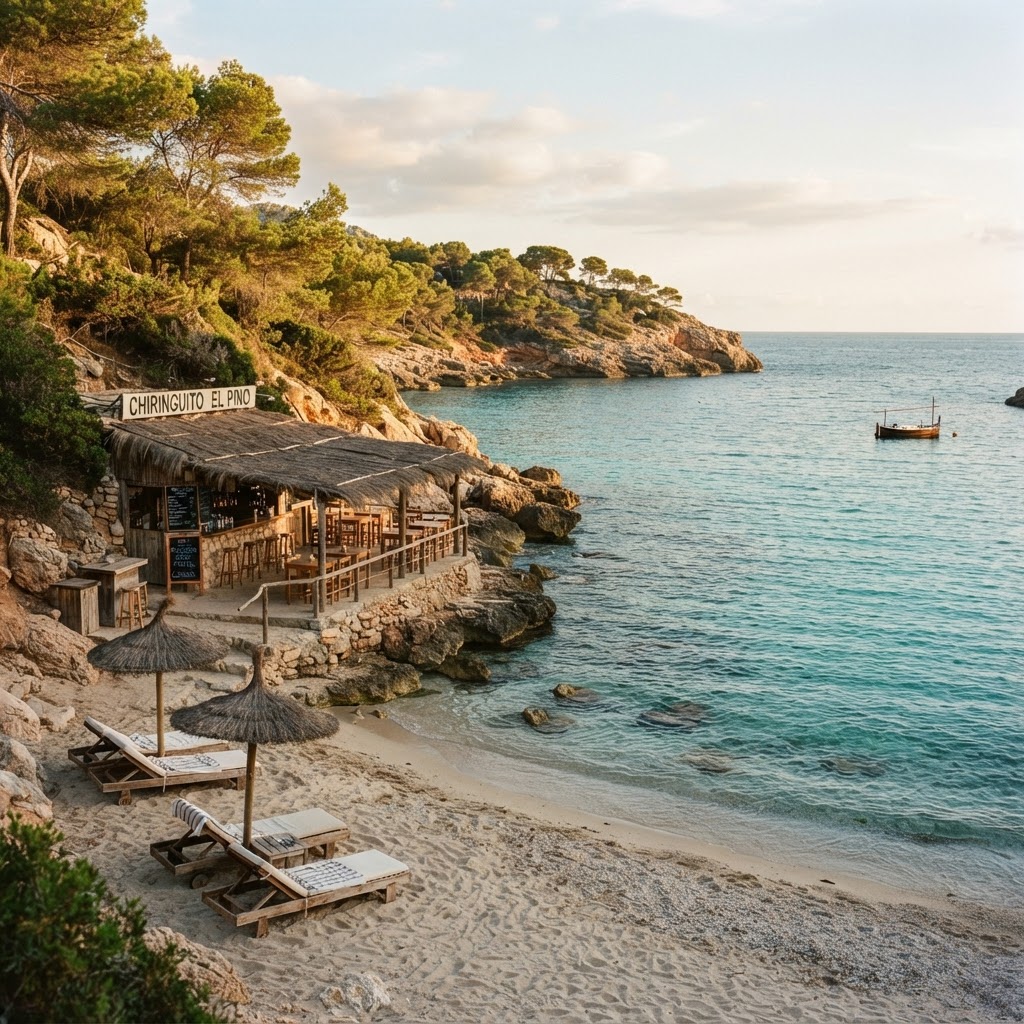
When the Levante hits, the sea becomes rough and unpleasant for swimming, particularly along the eastern stretches of the coast like Nerja or Torrox. The water at these beaches can become murky as the swell kicks up sediment. If you are determined to swim, look for sheltered coves where the cliffs break the wind, or accept that it is a day better suited for hiking in the white villages like Frigiliana.
The Poniente: The West Wind
The Poniente is the reliable sibling of the Levante. Blowing from the west, it brings cooler, fresher air from the Atlantic. This is the wind that leaves the water glassy and inviting, clearing the horizon until you can often see the jagged silhouette of Gibraltar or even the distant mountains of North Africa.
This is the ideal wind for a typical beach day across most of the Costa del Sol. From the sprawling sands of Marbella to the family-friendly spots in Estepona, the water remains calm and clear. Because the air is less humid, it feels more comfortable to sit out for long stretches, provided you keep a close eye on the sun.
Choosing Your Beach
Locals do not choose a beach based on how close it is to their house. They choose it based on the wind forecast. If the Levante is howling, people head west towards areas where the topography offers some relief. If the Poniente is in charge, the world is your oyster, though you might find the windier spots near Tarifa or Valdevaqueros becoming crowded with kitesurfers.
The wind direction is the ultimate equaliser on this coast, dictating the pace of life and the mood of the sea in a way that no guidebook can predict.
If you are planning a day on the sand, take note of the following habits:
- Always observe the flag system at patrolled beaches, as lifeguards respond to wind-driven rip currents faster than most swimmers.
- Consider that the Levante can bring the calima, a fine layer of Saharan dust that leaves everything coated in a gritty, orange haze.
- Check the local weather apps or simply step onto your balcony for sixty seconds to feel the direction on your skin.
- If the wind is howling from the east, expect sandblasting on the open beaches of Málaga and seek out protected corners instead.
Light and Visibility
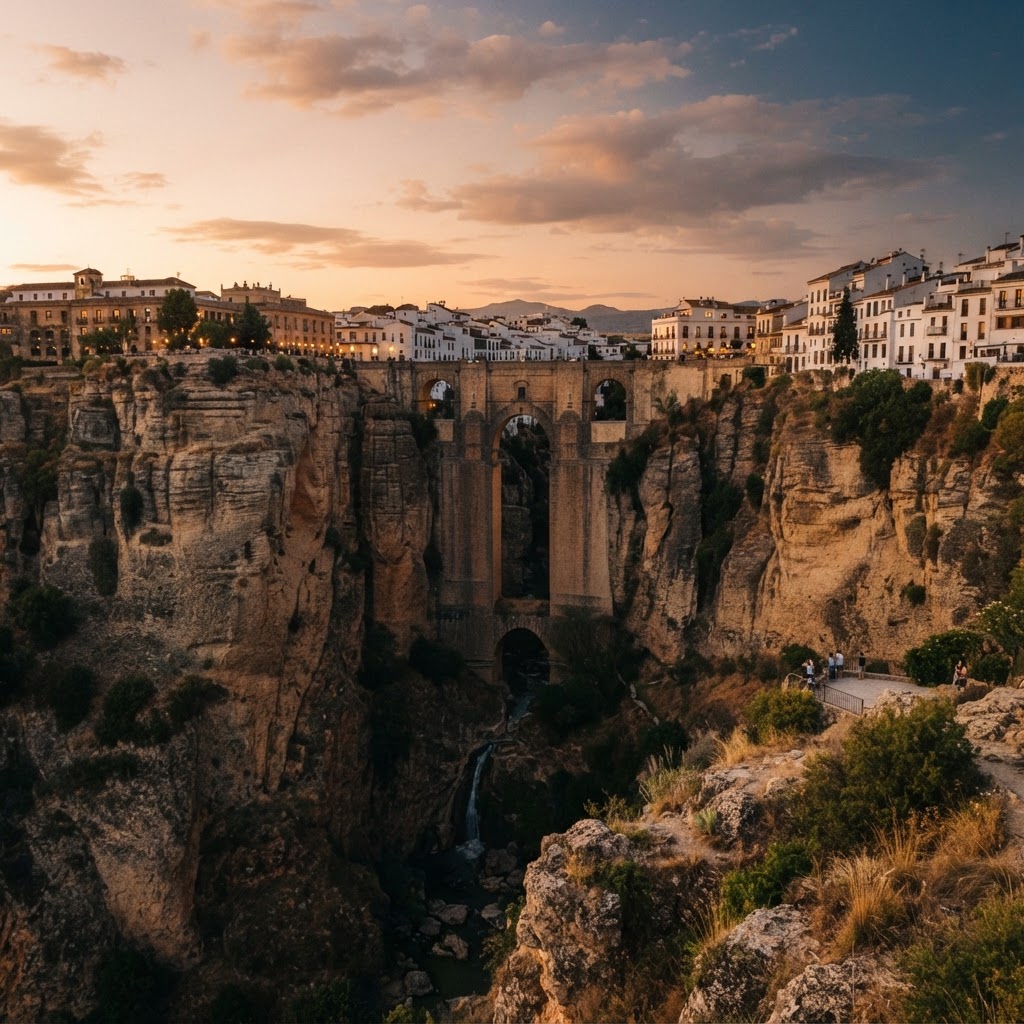
The wind changes more than just your comfort; it changes the quality of light. The Poniente is famous for its transparency, stripping away the haze and making the coast look sharp and high-contrast. Photographers in Mijas or Ronda will often wait for the Poniente to arrive before setting up, knowing it provides the best depth of field.
The Levante, conversely, softens the light, creating a hazy, muted atmosphere that can be atmospheric but frustrating for capturing crisp images. Always check the forecast if you are planning a trip to the mountains for a panoramic shot. The difference between a hazy, indistinct horizon and a view that stretches for a hundred miles is almost always a matter of which way the air is moving.
Regardless of the forecast, always confirm the local conditions once you arrive. Microclimates on this coast are common, and a sheltered bay can sometimes hide you from a gale just a few kilometres away. Treat the wind as a guide rather than an obstacle, and you will find it much easier to enjoy the coast as those who live here do.
Keep reading